Have you ever wondered how to become a Navy SEAL?
If you're considering embarking on the challenging journey of becoming a Navy SEAL, it's crucial to understand what lies ahead. This blog post will examine the steps and qualifications necessary for Navy SEAL training and successfully graduating from Basic Underwater Demolition SEAL (BUD/S) in Coronado, CA.

Do You Want To Become a Navy SEAL?
From the initial fitness test at Navy basic training to BUD/S, we'll discuss everything you need about this elite military tough-as-nails program. Additionally, we'll discuss financial aspects such as pay and allowances during your training period.
After graduating BUD/S, explore recruitment opportunities within different operational teams or even further specializations in other branches. Gain insight into a Navy SEAL's challenging yet fulfilling career path by consulting our comprehensive guide on their training.
How Does Officer Candidate School (OCS) Provide Opportunities for SEAL Training?
If you're a college graduate with aspirations to lead and join the elite ranks of the Navy SEALs, Officer Candidate School (OCS) is a critical step on your pathway. Here's how OCS can open doors to SEAL training:
- Educational Prerequisite: First, you must hold a college degree to be eligible to apply to OCS. This program is a gateway for ambitious individuals who want to assume leadership roles and undertake advanced military training.
- Competitive Selection: Opportunities within any Special Forces unit, including the Navy SEALs, are limited and highly competitive. Statistically, only about one in every eight SEAL officer candidates advances to SEAL training after completing OCS.
- Structured Pathway: The journey begins with selection into OCS, which, upon successful completion, guarantees entry to Basic Underwater Demolition/SEAL (BUD/S) training. This structured progression ensures that only the most qualified candidates proceed to the rigorous training ahead.
- Screening and Assessment: Prior to OCS, candidates attend SEAL Officer Assessment and Selection (SOAS), a challenging evaluation phase. Performance here determines eligibility to continue with SEAL training. If a candidate doesn't secure a SEAL training slot post-SOAS, they can still pursue a military career in other Navy roles, making SOAS a critical, yet not final, determinant of their path.
- Sequential Training: After being chosen by a board of SEAL officers, successful candidates are enrolled in OCS and subsequently advance to BUD/S for comprehensive SEAL training. This ensures that they are thoroughly prepared for the demands of serving as a SEAL officer.
Through Officer Candidate School, individuals gain a structured opportunity to pursue a career as a Navy SEAL, blending academic prerequisites with rigorous assessment and training progression. OCS not only serves as a gateway but also ensures that only the most capable candidates advance to become leaders in one of the world's most elite military units.
Pathways to Enlist in the Navy and Attend BUD/S
Attending Basic Underwater Demolition/SEAL (BUD/S) training is essential for anyone aspiring to become a Navy SEAL. There are various routes to reach this rigorous training in Coronado, California. Each pathway has unique requirements and challenges, so understanding them is crucial before choosing your journey.
1. Enlist Directly in the Navy
Overview:
This is the most straightforward method, often offering the quickest path to SEAL training. The demand for enlisted SEALs exceeds that for officers, making this route more accessible.
Steps:
- Meet with a Recruiter: Start at a Navy recruiter's office and express your intent to join the SEALs. Initially, you’ll enlist under a standard Navy Source Rating.
- Delayed Entry Program (DEP): Join the DEP and seek guidance from a Navy Special Warfare mentor. These mentors assist in training and require you to pass a Physical Screening Test (PST) with competitive scores.
- SEAL Qualification: After passing the PST, your classification changes to Special Operator (SO), making you eligible for boot camp and, subsequently, BUD/S.
2. Progress from Active Duty
Overview:
This alternative is suited for current Navy personnel who decide to pursue BUD/S after initial enlistment. It requires additional perseverance and commitment.
Procedure:
- Current Service Commitment: While fulfilling your Navy duties, enhance your physical conditioning to surpass standard PST scores.
- Submit a Special Request: You’ll need a formal request through your chain of command and may have to wait until the completion of your current service term.
- Re-enlistment Options: Some opt to re-enlist with the promise of attending BUD/S after completing their active-duty obligations.
3. Naval Academy Pathway
Overview:
Naval Academy students can compete to attend BUD/S. This path is highly selective and integrates rigorous academic and leadership training.
Process:
- Apply to the Academy: Gain admission and align with peers interested in SEAL training.
- Training and Evaluation: Engage in rigorous physical training and participate in BUD/S screening processes starting your junior year.
- Selection: Performance in academics, athletics, leadership, and additional criteria play into a competitive nomination process led by SEAL officers.
4. Reserve Officer Training Corps (ROTC)
Overview:
College students enrolled in an ROTC program may pursue SEAL training post-graduation. It’s another fiercely competitive path but offers structured military exposure alongside academics.
Steps:
- ROTC Enrollment: Join an ROTC program at participating colleges.
- Competitive Selection: Achieve high performance in academics, physical fitness, and leadership roles. Compete nationwide for BUD/S slots.
- Attend SOAS: Before graduation, candidates attend SEAL Officer Assessment and Selection (SOAS) to secure their place at BUD/S.
5. Officer Candidate School (OCS)
Overview:
For college graduates, OCS represents a route to become a SEAL officer. It demands a college degree and the tenacity to compete for limited SEAL slots.
Procedure:
- Apply for OCS: After securing a degree, apply to OCS with the aim of entering BUD/S training.
- Screening and Acceptance: Participate in SOAS, where your leadership qualities and potential are assessed. If successful, proceed to OCS and then to BUD/S.
Each path presents its own set of challenges and rewards. Thorough preparation, commitment, and a clear strategic plan are vital to navigating the path to BUD/S and ultimately realizing the goal of becoming a Navy SEAL.
Navy SEAL Fitness Test
Before getting orders for Navy SEAL training, candidates must pass a demanding fitness test to demonstrate their physical capabilities. This test is crucial for recruiting staff to take you seriously as a potential candidate. A strong performance on the PST will set you up for success in the challenging training program.
Minimum Requirements and Recommended Scores for Each Exercise
The journey to becoming a Navy SEAL demands exceptional physical prowess and unwavering mental resilience. The path is fraught with challenges, and the dropout rate during training is notably high. BUD/S—Basic Underwater Demolition/SEAL training—is at the core of this elite transformation in sunny Coronado, California. Regardless of the route taken to get there, completing BUD/S is the ultimate test to earn the coveted Navy SEAL title.
To be considered a SEAL candidate, you must first conquer the Navy SEAL Physical Screening Test (PST). This rigorous test consists of five exercises, each designed to assess your physical capabilities:
- 500-yard swim using breaststroke or sidestroke - within 12 minutes and 30 seconds
- 50 push-ups - within two minutes
- 50 sit-ups - within two minutes
- 10 pull-ups without touching the ground between repetitions
- A mile-and-a-half run wearing boots and pants - within ten minutes and thirty seconds
These minimum requirements are just the beginning. They ensure you have the foundational physical strength necessary to embark on the demanding journey ahead. However, success as a Navy SEAL is not solely about physical endurance. It requires mental fortitude and the ability to overcome adversity, making BUD/S a crucible that tests every aspect of a candidate's resolve.
In the quest to join this elite military unit, every aspiring SEAL must be prepared to push beyond their limits and embrace the challenge of becoming part of one of the most respected forces in the world.
Beyond meeting these minimums, it's essential to aim higher if possible since competition is fierce among applicants. Strive for optimal scores like completing an eight-minute swim or performing over one hundred pushups in two minutes.
For most, their dreams of becoming a Navy SEAL will end here.
For those who are serious about becoming a Navy SEAL, here are a few tips that may help prepare you for BUD/S:
Mental Preparation Tips:
Visualize yourself completing each evolution (BUD/S event) and never quit during the evolution. It's easy to lose confidence in the middle of a long run while BUD/S instructors are screaming at you. Don't give in. Keep going. One step at a time, moving forward.
Develop a robust support system of friends, family, or fellow aspiring SEALs to help keep you motivated and accountable throughout your training journey. Motivate other members of your class. If your strength is running, encourage other members of your class. Trust me, we all have weaknesses and will sooner or later receive encouragement in return.
Remember, the BUD/S instructors are the gatekeepers to the SEAL community. They're committed to filtering the weak both physically and mentally. It's their job to harass you and not only take you to your limits but expand them. If you're not a team player and can not handle mental pressure, your days at BUD/S will be few. You cannot have an operator tying high explosive det cord who can't perform under pressure. There's good reason BUD/S is called the most demanding military training in the world.

Meeting Life Challenges With Renewed Enthusiasm Is Never Easy But Worthy.
Physical Preparation Tips:
Create a balanced workout routine that includes cardiovascular exercises like swimming in cold water similar to water temperatures of the Pacific and running alongside strength-building activities such as push-ups, sit-ups, and pull-ups. If possible, practice running in boots and soft sand. Do all you can to imitate PT in Coronado.
Incorporate interval training into your regimen for improved endurance in high-intensity situations.
By dedicating time to both mental and physical preparation, you'll increase your chances of success.
Key Takeaway:
Before starting Navy SEAL training, candidates must pass a rigorous fitness test called the Physical Screening Test (PST). The PST consists of five exercises: swimming, push-ups, sit-ups, pull-ups, and running. To qualify for consideration as a SEAL candidate, you must meet or exceed the minimum requirements set by the Navy, but aiming higher is recommended to increase your chances of success in this demanding program.

Navy Spec War Draft Program
The Navy Spec War Draft program is designed to provide prospective SEAL/SWCC candidates the opportunity to train more effectively before attending boot camp. This extra preparation can be crucial in ensuring success throughout the various stages of intense military training that follow.
Benefits of Participating in the Draft Program
- Better Preparedness: The draft program allows you to focus on improving your physical fitness, swimming skills, and mental toughness before entering boot camp. This gives participants a head start and an edge over those not participating in the preparatory phase.
- Mentorship: As part of the Navy Spec War Draft program, you'll have access to experienced mentors who can guide you through your training journey and offer valuable advice on how best to prepare for each stage of the SEAL or SWCC selection process.
- Pipeline Success Rate: Candidates participating in the draft program have a higher chance of completing their respective pipelines than those not taking advantage of this additional training period. Investing time into proper preparation increases your chances of becoming a Navy SEAL or SWCC operator.
The Navy Spec, War Draft Program provides an excellent opportunity for potential recruits to gain valuable skills and knowledge that will help them succeed in boot camp. By attending the 10-week Boot Camp at Great Lakes, Illinois, participants can further develop their team-building abilities and mental strength to become successful Navy SEALs.
Key Takeaway:
The Navy Spec War Draft program is a preparatory phase for prospective SEAL/SWCC candidates before attending boot camp. It provides better preparedness mentorship and increases the pipeline success rate by focusing on fitness training, swimming skills, and mental toughness to ensure successful completion of specialized SEAL training like BUD/S & SQT courses.
Importance of Teamwork and Mental Resilience
A key aspect of Navy boot camp is the development of strong teamwork skills and mental resilience. Recruits are organized into divisions, each member relying on their teammates to succeed in various tasks and challenges. This fosters a sense of camaraderie that will be crucial during the more demanding phases of BUD/S training.
The 10-week Navy boot camp at Great Lakes is an essential foundation for aspiring SEALs. It provides them with basic military knowledge and instills vital physical fitness habits while fostering teamwork skills and mental resilience required for advanced specialized training.
Key Takeaway:
Becoming a Navy SEAL starts with a 10-week introductory training course at the Naval Station Great Lakes in Illinois, which serves as an essential foundation for aspiring SEALs. During this period, candidates undergo various tests and assessments designed to evaluate their skills and readiness while instilling discipline, teamwork, mental resilience, and physical fitness habits required for advanced specialized training.

BUD/S: Six Months That Many Describe As Unrivaled Torture
After the dust settles and you're finished congratulating yourself for passing the physical test to go to BUD/S, it's time to prepare for the most gripping military training in the world. Of course, the majority will ring the bronze bell, signifying quitting. As you know by now, BUD/S is a volunteer in or volunteer out program.
Phases of BUD/S Training
What to Expect During PTRR and INDOC at BUD/S
When you first arrive at BUD/S, the journey begins with the PTRR (Physical Training Rehabilitation and Remediation) phase. This stage is designed to prepare your body, ensuring you're physically equipped for the challenges ahead. It's a period where you engage in exercises to rebuild strength and stamina, perfect for those transitioning from civilian life into the demanding world of naval training.
After PTRR, you'll move on to the INDOC Phase. Lasting five to six weeks, this indoctrination phase is your first real test, introducing you to the intensity of BUD/S training. Here’s what you can expect to tackle:
- Reevaluation of Basics: You'll revisit key skills, including the Physical Screening Test (PST) to ensure you're on track.
- Swimming Drills: Practice swimming with fins, an essential skill for future missions.
- Obstacle Courses: These courses are designed to push your physical limits and assess agility.
- Beach Runs: Timed runs on the beach will challenge your endurance.
- Physical Training (PT) on the Grinder: Grueling PT sessions are conducted on this outdoor concrete area, testing your physical and mental toughness.
- Surf Zone Training: Get ready for energetic exercises in the cold and challenging surf.
Emerging successfully from INDOC is about more than just physical prowess; it's a personal trial that tests your determination and willingness to endure. This phase sets the foundation for the coming stages of BUD/S, and only those who persevere are given the chance to advance further.
The BUD/S program consists of three distinct phases lasting six months, each designed to test and develop different aspects of a candidate's abilities:
- First Phase: This phase focuses on developing the physical fitness and mental toughness necessary for success in later stages. Activities include timed runs, swims, obstacle courses, and Hell Week - an intense five-day period with minimal sleep of four and a half hours that pushes candidates to their breaking point. Every BUD/S recruit will be made to their max and beyond human capacity. Like the motto from BUD/S Class 89, "The Only Easy Day Was Yesterday."
- Second Phase: Also known as the Combat Diving Phase, this stage teaches trainees underwater navigation techniques using open-circuit SCUBA gear. Candidates learn to perform dive physics calculations and become proficient in various diving operations, such as search-and-recovery missions or clandestine infiltrations.
- Last Phase: In this final stage, Land Warfare Training, students are taught small unit tactics, including weapons handling, demolitions training, land navigation exercises, and other critical skills needed for SEAL missions. The culmination is a realistic field exercise simulating real-world scenarios where teamwork becomes crucial for survival. One highlight is that all BUD/S classes will venture to San Clemente Island to blow things up nonstop.
Mental toughness is also critical for success as a SEAL candidate. Throughout BUD/S, trainees face numerous obstacles designed to test their determination, adaptability, and ability to perform under pressure. Developing these qualities early on can significantly improve one's chances of making it through the grueling selection process.
Most BUD/S graduates claim their most significant achievement is graduating from BUD/S training. It matches any college diploma hanging on the wall no matter how IVY the school may be; it also ranks up there with their firstborn, most birthdays, & anniversaries.
The journey to BUD/S for those accepted through Officer Candidate School (OCS) involves several well-structured steps. First, candidates who aspire to become Navy SEALs must attend the SEAL Officer Assessment and Selection (SOAS) before beginning OCS. This vital step assesses your potential and suitability for SEAL training.
If you successfully make it through SOAS, your name is put forward for evaluation by a board of SEAL officers. It is this board that ultimately decides if you'll be accepted for SEAL training.
Assuming you receive the nod of approval, your journey continues with enrollment in OCS. Here, you undergo rigorous training to prepare you for naval leadership. Upon successful completion of OCS, you don’t have to wait; you proceed directly to Basic Underwater Demolition/SEAL (BUD/S) training. This ensures a seamless transition from officer candidate training to the intense environment of SEAL preparation.
In summary, the process is sequential: attend and pass SOAS, get accepted by the SEAL board, complete OCS, and then move directly to BUD/S for the next phase of your training.
Key Aspects Covered during SQT
Succeeding at BUD/S qualifies you for Seal Qualification Training (SQT), further refining your skills before joining operational teams. Some key areas covered during SQT include:
- Advanced Combat Skills: Trainees learn advanced marksmanship, close-quarters combat techniques, and sniper training to become proficient in various weapon systems.
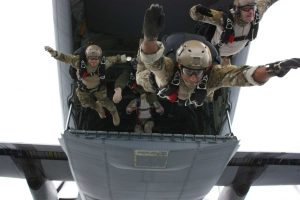
- Parachute Training: Candidates undergo military free-fall and static-line parachute training to master airborne insertion methods for covert operations.
- Cold Weather & Mountain Warfare: SEALs must be prepared for any environment; therefore, SQT includes survival skills such as cold weather and mountain warfare tactics. This ensures that they can operate effectively in diverse terrains around the world.
In addition to these specialized skill sets, candidates receive instruction on medical procedures, communications equipment usage, mission planning strategies, and intelligence-gathering techniques. Graduates of SQT earn their coveted Navy SEAL Trident insignia and are assigned to operational teams where they continue honing their abilities through real-world missions. For more information about BUD/S school or Seal Qualification Training (SQT), visit the official Navy SEAL website.
Becoming a SEAL demands physical and mental fortitude for yourself and your family, yet the rewards can be significant. Aspiring SEALs should know the financial benefits they will receive while undergoing training.
Key Takeaway:
Navy SEAL training consists of Basic Underwater Demolition/SEAL (BUD/S) school followed by Seal Qualification Training (SQT). BUD/S has three phases that test and develop candidates' physical fitness, mental toughness, underwater navigation techniques, small unit tactics, and other critical skills needed for SEAL missions. SQT further refines their skills before joining operational teams, where they continue honing their abilities through real-world missions.
Military Pay & Allowances During Training
As a Navy SEAL trainee, you can expect military pay and allowances throughout your course. This financial support provides the necessary resources for this arduous period and allows you to concentrate on your training without worrying about finances. In addition to basic military pay, SEAL candidates are eligible for dive pay and special delivery vehicle team compensation.
Breakdown of Pay and Allowances for SEAL Trainees
- Basic Military Pay: Based on rank and years of service, all military personnel receive basic pay according to the Defense Finance and Accounting Service (DFAS) tables. As a recruit starting at E-1 rank, your monthly base salary will be around $1,785 before taxes.
- Housing Allowance: Depending on whether you live in government-provided or off-base private accommodations, you may qualify for Basic Allowance for Housing (BAH). BAH rates vary based on location and dependents' status. Check out the current rates using the BAH Calculator.
- Dive Pay: Upon completion of dive school during BUD/S training phase two, qualified divers receive additional monthly incentive pay ranging from $150 to $340, depending upon their experience level.
- Special Delivery Vehicle Team Pay: SEALs of Special Delivery Vehicle (SDV) teams receive an additional $150 monthly.
Additional Benefits Provided by the Military
Besides pay and allowances, Navy SEAL trainees enjoy several other benefits provided by the military. Some of these include:
- Healthcare Coverage: Trainees can access comprehensive healthcare coverage through TRICARE, which covers medical, dental, and vision services for service members and their families.
- Tuition Assistance & GI Bill: The military offers generous education benefits such as Tuition Assistance programs that cover up to 100% of tuition costs for courses taken during off-duty hours. Additionally, you may be eligible for Post-9/11 GI Bill benefits after completing your training and serving on active duty.
- Veterans Affairs Home Loans: After meeting eligibility requirements based on length of service, you can take advantage of VA home loan programs offering competitive interest rates with no down payment or private mortgage insurance required. Learn more about this benefit at the VA Home Loan website.
In summary, pursuing a career as a Navy SEAL provides extensive specialized training and ensures financial stability through various forms of compensation and additional military benefits throughout your journey.
Completing Navy SEAL training is a significant accomplishment and will result in generous pay and allowances for the trainee. Upon finishing their training, those who have gone through the Navy SEAL program can take advantage of various recruitment chances to delve into more specialized roles in other branches of the armed forces.
Key Takeaway:
Navy SEAL trainees receive military pay and allowances, including basic military pay, housing allowance, dive pay, and special delivery vehicle team compensation. They also enjoy additional benefits such as healthcare coverage through TRICARE, education benefits like tuition assistance and the GI Bill, and eligibility for VA home loan programs after meeting service requirements.
Recruitment Opportunities after Completing Training
Upon completing the BUD/S and SQT courses, you will have numerous opportunities to connect with recruiters from different military branches. These connections can help guide your career path as a Navy SEAL or explore other specialized roles within various military units. Let's delve further into the opportunities available.
Boosting Your Chances for SEAL Training: The Enlistment Route
Thinking of becoming a Navy SEAL? While the journey is tough, starting by enlisting directly in the Navy can significantly boost your odds of making it to SEAL training. Here’s why this route might be your best shot:
- Higher Demand for Enlisted SEALs
The Navy consistently has a greater need for enlisted SEALs compared to officers. As a result, there are more slots available for enlisted personnel to attend SEAL training, increasing your chances of getting a nod. - Streamlined Path to BUD/S
Enlisting offers a more streamlined process to reach BUD/S—Basic Underwater Demolition/SEAL training. This is where every aspiring SEAL must prove their metal. With the Navy’s extensive support system for enlisted candidates, enlisting gives you a clearer and more direct path to Coronado, California, where the training unfolds. - Access to Tailored Prep Programs
As an enlistee, you will have access to specially designed preparation programs that focus on the physical and mental endurance required for SEAL training. These programs ensure you're in peak condition before you even set foot on a BUD/S course. - Building a Solid Foundation
Enlisting provides you with an opportunity to gain experience and build a foundational understanding of Navy operations. This background is highly beneficial when tackling the challenges of SEAL training. - Opportunity for Mentorship
Joining as an enlisted sailor gives you the chance to connect with experienced SEALs and other military personnel. These mentors can offer invaluable advice and insights as you prepare for the demands of SEAL training.
Choosing to enlist in the Navy places you on a more favorable trajectory towards achieving your SEAL aspirations. With the combination of demand, preparation, and support, it’s a compelling pathway to consider.
Different Operational Teams within the Navy SEALs
The Navy SEALs are divided into several operational teams, each with its unique mission focus and skill set requirements. Some examples include:
- Naval Special Warfare Group 1– based at the Naval Amphibious Base Coronado in California
- SEAL Team 1
- SEAL Team 3
- SEAL Team 5
- SEAL Team 7
- Naval Special Warfare Group 2– based at the Joint Expeditionary Base–Little Creek in Virginia
- SEAL Team 2
- SEAL Team 4
- SEAL Team 8
- SEAL Team 10
Your interests and abilities will play a significant role in determining which team is best suited for you. It is essential to research each team thoroughly before making any decisions about your future career path within the Navy SEAL community.
Further Specializations in Other Branches
If you're interested in discovering additional specializations outside of being a Navy SEAL, the US Military offers many stimulating chances to consider. Some popular choices include:
- Army Special Forces (Green Berets): Focus on unconventional warfare, foreign internal defense, and special reconnaissance missions.
- Air Force Pararescue: Conduct personnel recovery operations in hostile environments and provide emergency medical treatment to injured service members.
- Marine Corps Forces Special Operations Command (MARSOC): Carry out direct action, special reconnaissance, and counter-terrorism missions worldwide.
Each of these elite units has its selection process and training pipeline. It is crucial to research each option thoroughly before deciding which path aligns best with your skills and career goals. Connecting with recruiters from different military branches can help you gain valuable insights into the opportunities available within their respective organizations.
In conclusion, completing Navy SEAL training opens up possibilities for your military career. Whether you choose to serve as part of an operational team within the Navy SEALs or explore further specialization in other branches, numerous exciting paths are available for those who have proven capable of meeting the rigorous demands of this elite community.
Key Takeaway:
Completing Navy SEAL training opens up possibilities for your military career, including opportunities to connect with recruiters from different military branches and explore other specialized roles within various military units. Your interests and abilities will play a significant role in determining which team best suits you, so it's essential to research each option thoroughly before deciding which path aligns best with your skills and career goals.
FAQs with Navy Seal Training
What is the success rate of Navy SEAL training?
The success rate for Navy SEAL training varies, but on average, only about 20-30% of candidates complete the program. This includes passing the initial fitness test, completing Basic Underwater Demolition/SEAL (BUD/S) School, and SEAL Qualification Training (SQT). The high attrition rate is due to the extreme physical and mental demands placed on trainees.
Is Navy SEAL training really that hard?
Yes, Navy SEAL training is considered one of the most challenging military programs. Candidates must endure intense physical conditioning, sleep deprivation, exposure to harsh environments, and extensive combat skills development. Mental resilience plays a significant role in determining who will succeed in this demanding program.
What is the summary of Navy SEAL training?
Navy SEAL training consists of several stages: passing an initial fitness test; participating in a draft program; attending boot camp at Great Lakes, Illinois; completing BUD/S School, which has three phases - essential conditioning phase, diving phase, and land warfare phase; followed by SQT where they learn specialized skills like parachuting and cold weather survival before becoming fully qualified operators.
Why is Navy SEAL training so hard?
Navy SEALs are required to perform highly specialized missions under extremely challenging conditions. Their rigorous training prepares them for these situations by pushing their physical limits while testing their mental fortitude. The difficulty ensures that only those with exceptional determination and commitment become part of this elite force capable of executing critical operations worldwide. Successful BUD/S graduates are prepared for swimming in 55-degree water, timed runs in soft sand wearing combat boots, mentally tenacious, withstanding the endless screams from the BUD/S instructors, and have an all-in no matter how dire the circumstances attitude that never blinks!
Pathway to BUD/S via the US Naval Academy
Step 1: Gain Admission to the Naval Academy
Your journey to becoming a Navy SEAL through the US Naval Academy starts with securing a spot at the Academy itself. This prestigious institution lays the foundation for rigorous military and academic training.
Step 2: Begin Training Early
Once you're a midshipman, it's crucial to engage in physical training with peers who share your SEAL aspirations. Connect with senior students who are actively preparing for the Basic Underwater Demolition/SEAL (BUD/S) training. Their experience is invaluable.
Step 3: Seek Guidance from Active SEALs
The Naval Academy hosts active-duty SEALs who provide guidance and support, helping to tailor your training regimen. They play a vital role in initiating the screening process, which begins in your junior year.
Step 4: Undergo Physical Screening Tests (PSTs)
Throughout your time at the Academy, you'll participate in several Physical Screening Tests. These tests evaluate your readiness for the challenges ahead and are central to your preparation.
Step 5: BUD/S Screening
A particularly grueling 36-hour event awaits, simulating the intensity of BUD/S with a series of daunting tasks. This endurance weekend is designed to test your physical and mental limits.
Step 6: Narrowing the Field
By senior year, the large group of hopefuls typically reduces to 40-60 candidates. However, competition remains fierce as there are approximately 20-30 slots available each year.
Step 7: Comprehensive Evaluation
Your academic performance, leadership roles, participation in sports, language skills, and community service are all considered. These factors contribute to your overall assessment.
Step 8: SEAL Officer Assessment and Selection (SOAS)
Participation in the SOAS training during the summer before your final year is crucial. Here, a panel of SEAL officers and senior enlisted personnel will conduct personal interviews to evaluate your qualifications.
Successfully navigating these steps is key to securing a coveted place in BUD/S training, paving the way for a career as a Navy SEAL officer.
Preparing for SEAL Training: Essential Steps Before Joining
Before enlisting in the Delayed Entry Program (DEP) for SEAL training, candidates should focus on achieving proficiency in the Physical Screening Test (PST). Mastering the PST on your own beforehand is crucial for a seamless transition into the program.
Here’s how you can ensure you're ready:
- Practice Independently: Dedicate time to thoroughly prepare and excel in each component of the PST—swimming, running, push-ups, sit-ups, and pull-ups. Consistent practice will build endurance and confidence.
- Set Personal Benchmarks: Aim to surpass the minimum requirements. This will boost your physical readiness and reduce the likelihood of setbacks during training.
- Utilize Available Resources: Leverage online tutorials, fitness apps, or resources from reputable training experts to guide your preparation. Incorporating a structured plan can significantly enhance your performance.
By focusing on these steps, you can streamline your entry into the program and avoid the pitfalls faced by those who struggle with the PST. Preparing diligently maximizes your chances of success and sets a strong foundation for your SEAL training journey.
How To Become a Navy SEAL Conclusion
In conclusion, to become a Navy SEAL requires rigorous physical and mental training. The fitness test begins a long journey, including boot camp, BUD/S Training, and SQT courses. Nevertheless, with commitment and determination, applicants can be a part of one of the most exclusive forces on earth. There are few more extraordinary achievements than becoming a Navy SEAL operator.
If you're interested in pursuing Navy SEAL training or learning more about military opportunities, visit usmilitary.com for more information on how to get started.