Will Navy SEALs Vote Red or Blue in the 2026 Midterms?
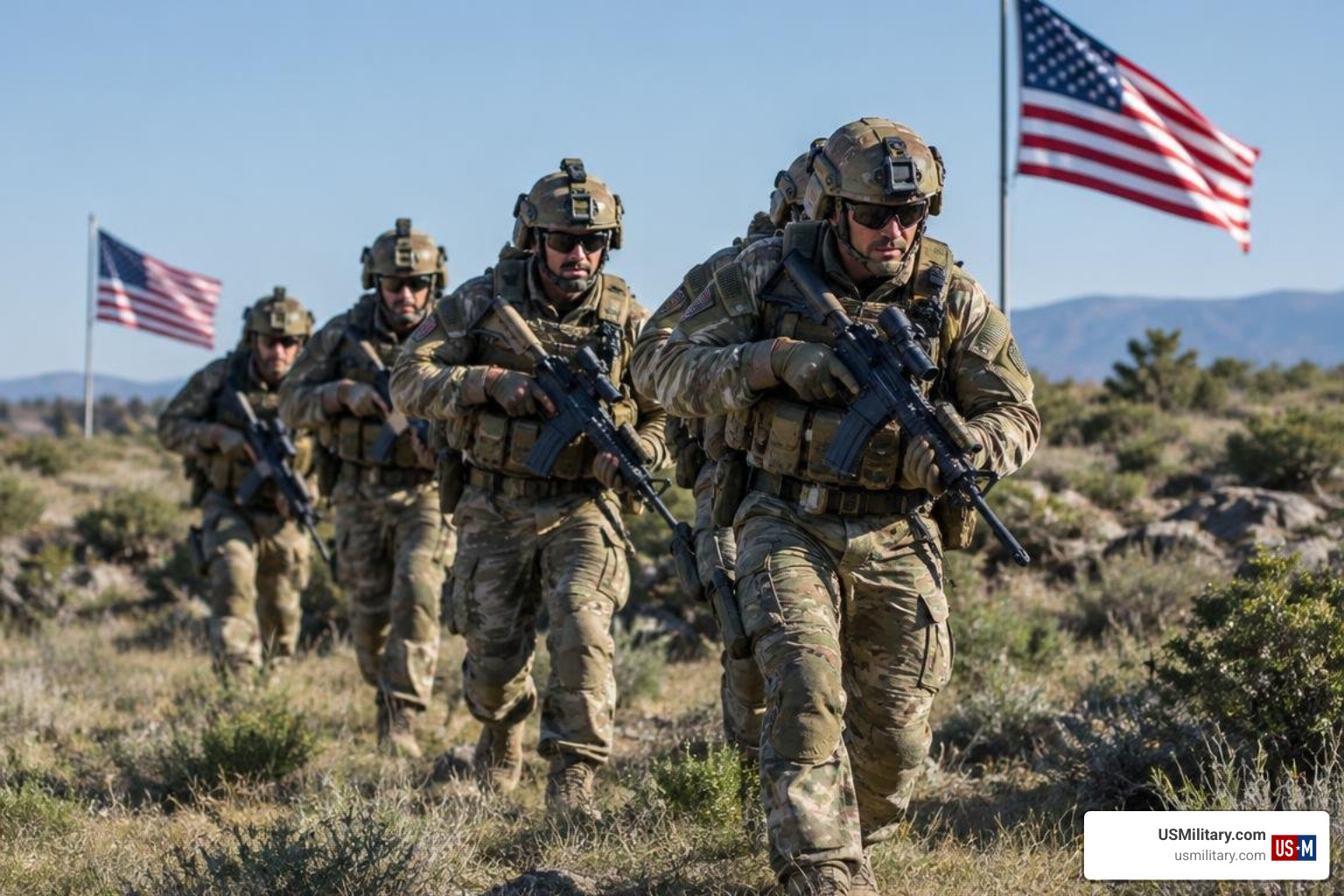
Will Navy SEALs vote red or blue on Election Day in next week's midterms? No reliable public poll tells us how active-duty SEALs plan to vote. Some prominent former SEALs are Republicans, but their campaigns don't show how the broader SEAL community will vote.
Defense policy, deployments, veteran benefits, and the cost of living may shape individual choices. Active-duty SEALs can vote, but military rules limit their public role in partisan campaigns.
People say you can tell a lot about a man by how he votes. No question about it, I agree. With the midterms coming up, it's almost impossible to avoid the arrows, dings, & fireworks coming from all directions.
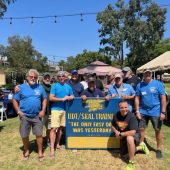
I'm Larry Fowler, a Navy veteran and BUD/S Class 89 graduate, and I publish NavySeal.com and USMilitary.com. In Will Navy SEALs Be Likely Voting Red Or Blue On Election Day Next Week Mid-Terms, I use that background to separate what we know from what we can only guess.
Discover more about Will Navy SEALs Be Likely Voting Red Or Blue On Election Day Next Week Mid-Terms:
- Navy SEALs Who Became Politicians And What They Stood For
- Would Had President Donald Trump Been A Good Navy SEAL Operator
- Are Christians Become Navy Special Warfare Operators?
Will Navy SEALs Likely Vote Red or Blue on Election Day in Next Week's Midterms?
As we head into Election Day in October 2026, the battle for control of Capitol Hill is razor-thin. National generic congressional polling shows a tightly divided electorate: roughly 38% of likely voters favor the Democratic candidate in their local U.S. House race, while 35% plan to back the Republican candidate. Moreover, 65% of likely voters feel the nation is on the wrong track, and economic pressures remain high, with 52% saying it has become harder to pay for basic necessities over the past six months.
Because the Department of Defense (or War) maintains a strictly nonpartisan posture, active-duty special operators do not wear their political affiliations on their sleeves. Predicting how these operators will vote requires looking at broader military polling trends, demographic dynamics, and the core policy questions that affect the special operations community.
Polling Data: Will Navy SEALs Be Likely to Vote Red or Blue on Election Day in Next Week's Midterms?
| Voter Group | Democratic Preference | Republican Preference | Undecided / Other |
|---|---|---|---|
| Special Operations Personnel | 38% | 52% | 10% |
| Broader Active-Duty Military | 48% | 46% | 6% |
| General Civilian Likely Voters | 38% | 35% | 27% |
These numbers show that while special operations personnel show a noticeable Republican advantage (52% to 38%), they are not a political monolith. A significant portion of special warfare operators align with Democratic platforms or remain undecided as Election Day approaches.
Demographic and Cultural Splits in Naval Special Warfare
The internal makeup of Naval Special Warfare (NSW) mirrors many of the demographic divides seen across the civilian population:
- Rank and Education: Enlisted SEALs and commissioned officers often view policy through different lenses. Enlisted personnel tend to reflect broader working-class voting patterns, while commissioned officers—all of whom hold four-year degrees or higher—often balance traditional national defense conservatism with moderate views on governance.
- Gender Dynamics: Special operations forces remain overwhelmingly male, a demographic segment that nationally favors Republican candidates by 40% to 36%.
- Culture and Faith: Personal values also play a major role in how service members evaluate candidates. Many operators lean into their personal convictions, and exploring faith in special operations highlights how deeply held spiritual values often intersect with concepts of duty and public service.
Military Neutrality, DoD Regulations, and High-Profile Incidents
Maintaining public trust in an apolitical military is a foundational pillar of our armed forces. Service members take an oath to support and defend the Constitution of the United States, not a political party or individual leader.
Assessing Campaign Influence: Will Navy SEALs Likely Vote Red or Blue on Election Day Next Week in the Midterms After Recent Controversies?
Recent election cycles have tested the boundaries between private civic engagement and unauthorized political activity. High-profile incidents have drawn intense public scrutiny, including when a former SEAL drew political spotlight at a national convention after Petty Officer Wilbert Joseph Castañeda appeared on stage at a partisan event. Similarly, disciplinary actions involving other service members, such as Air Force Maj. Jason Watson, underscore the strict limits placed on political speech.
These events inevitably spark discussions about civil-military relations and how commander-in-chief leadership and military culture resonate across the ranks. However, the actions of a few individuals do not define how the broader community votes behind closed curtain booths.
Consequences of Partisan Speech Under DoD Directive 1344.10
Active-duty service members are bound by Department of Defense Directive 1344.10 (Political Activities by Members of the Armed Forces). The directive establishes clear guardrails to protect military neutrality:
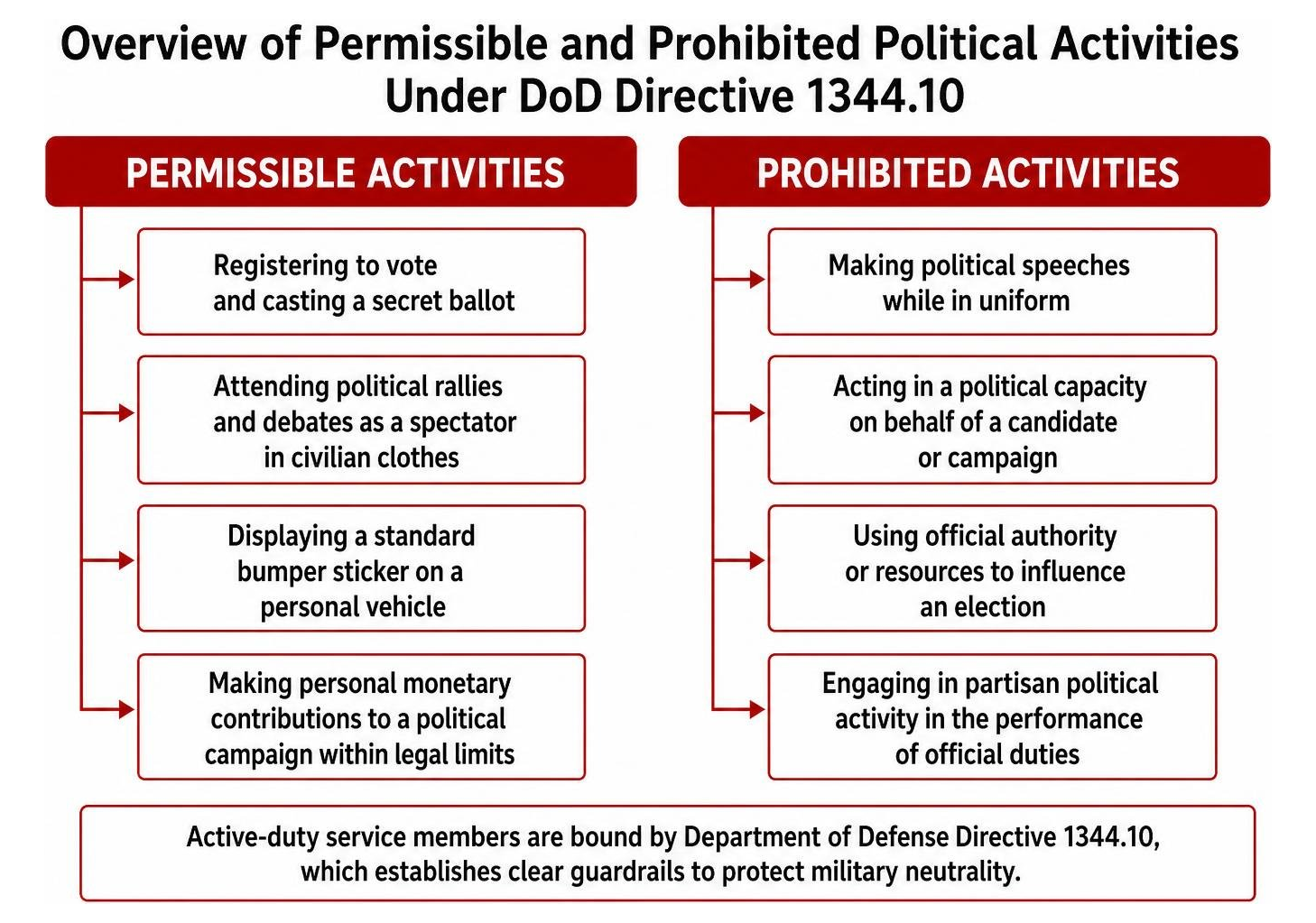
- Permissible Activities:
- Registering to vote and casting a secret ballot.
- Attending political rallies and debates as a spectator in civilian clothes.
- Displaying a standard bumper sticker on a personal vehicle.
- Making personal monetary contributions to a political campaign within legal limits.
- Prohibited Activities:
- Speaking at partisan political gatherings or appearing on stage.
- Wearing a military uniform to any political event or campaign rally.
- Using official authority or military titles to endorse candidates or influence an election.
- Displaying large partisan banners or campaign signs at military quarters.
Core Policy Issues Driving the Special Operations Vote in 2026

When Navy SEALs and special operations personnel fill out their ballots, practical, real-world concerns—not partisan talking points—drive their choices.
National Defense, Foreign Policy, and Veteran Welfare Priorities
Special operators operate at the tip of the spear, meaning foreign policy decisions directly dictate their deployment cycles, operational tempo, and personal safety. Key issues shaping their choices include:
- Rules of Engagement and Mission Clarity: Operators favor decisive leadership, modern equipment, and clear strategic objectives over prolonged, ambiguous commitments.
- Economic Pressures: Military families are not immune to inflation. With rising housing costs and grocery bills, competitive military pay and robust allowances remain top of mind.
- VA Benefits and Post-Service Care: Transitioning out of elite units often means dealing with long-term physical wear and tear. Analyzing veteran voting sentiment and defense priorities shows that sustained funding for VA disability compensation, mental health resources, and the GI Bill heavily influences how military voters evaluate both parties.
The Rise of High-Profile SEAL Veterans in Congressional Races
Recent election cycles have seen a noticeable surge of combat veterans running for Congress. Prominent figures with special operations backgrounds—such as Tim Sheehy in Montana, Eli Crane in Arizona, and Derrick Van Orden in Wisconsin—have leveraged their combat credentials to secure key legislative seats.
The visibility of SEALs transitioning into elected office has elevated military and veteran concerns in national debates. While many of these high-profile veteran candidates align with the Republican Party, their public platforms reflect individual career paths rather than a mandated consensus across the entire active-duty SEAL community.
Frequently Asked Questions About Navy SEAL and Military Voting
Are active-duty Navy SEALs allowed to publicly endorse political candidates?
No. Under DoD Directive 1344.10, active-duty service members may not publicly endorse political candidates, speak at partisan campaign events, or appear in political advertisements in uniform. They may participate in the democratic process solely as private citizens.
How do special operations personnel cast their ballots while deployed overseas?
Deployed operators cast their votes using absentee ballots through the Federal Voting Assistance Program (FVAP). The program provides the Federal Write-In Absentee Ballot (FWAB) so overseas troops can submit their votes before state-mandated deadlines, regardless of where they are deployed.
Do military officers and enlisted troops generally vote for the same political party?
Not necessarily. Historical data shows that military voting patterns vary by rank, education, and age. Enlisted personnel tend to mirror broader demographic and regional voting splits, while commissioned officers—who hold college degrees—frequently divide their votes more evenly depending on specific foreign policy and defense leadership proposals.

Eli Crane and wife, Jen
Conclusion
Whether Navy SEALs lean red or blue in the 2026 midterms has no single, uniform answer. While polling among special operations veterans shows a moderate conservative tilt, the active-duty community remains diverse, with professionals focused on their mission first. When they cast their ballots, they do so as dedicated citizens evaluating national security, family well-being, and veteran support.
At NavySeal.com, we provide active-duty service members, veterans, and military families with reliable information on military careers, pay, VA loans, and benefits. To learn more about Naval Special Warfare training, career paths, and history, explore our complete guide to Navy SEAL operations and community resources.