SEAL Team 2: An East Coast Navy SEAL Team
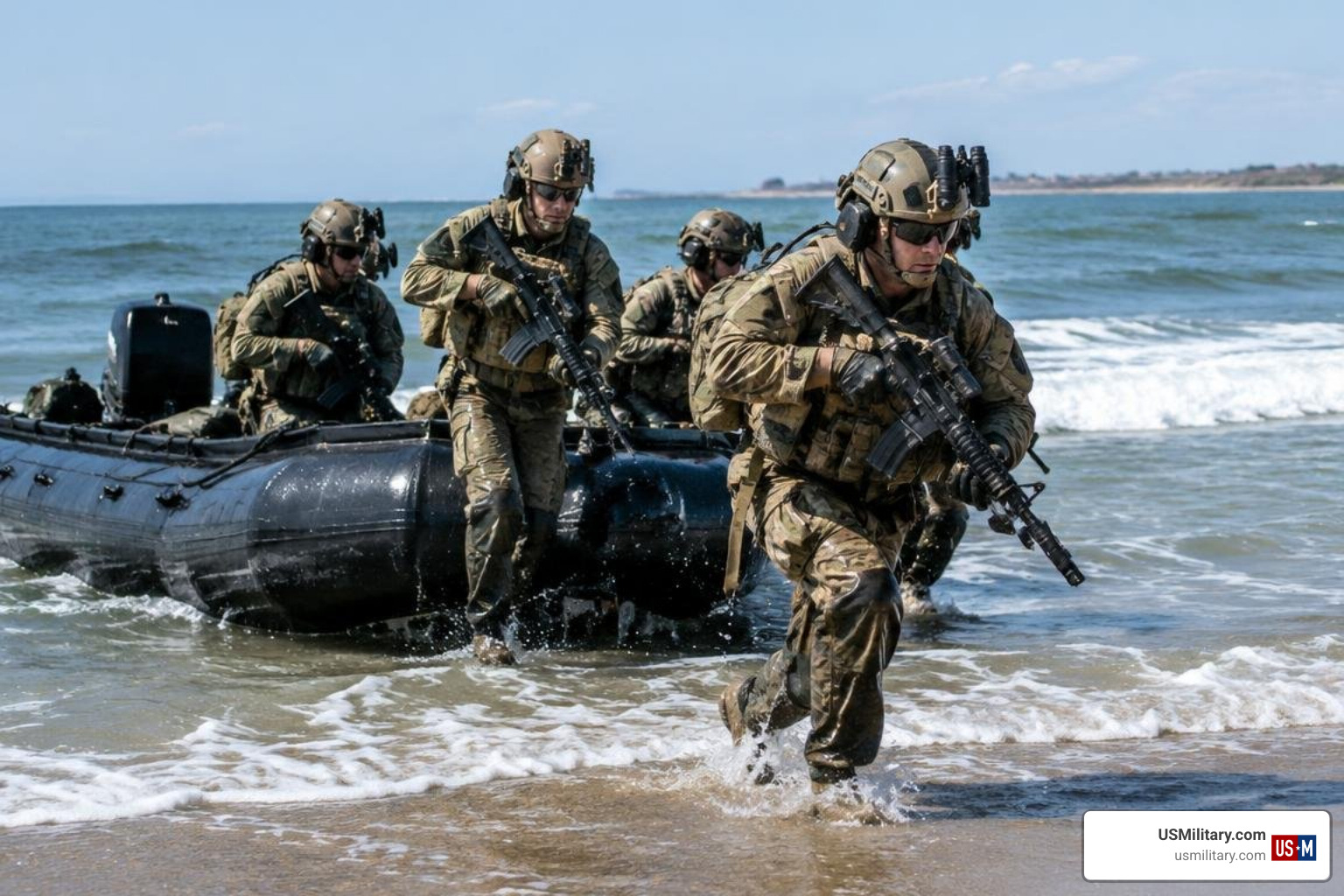
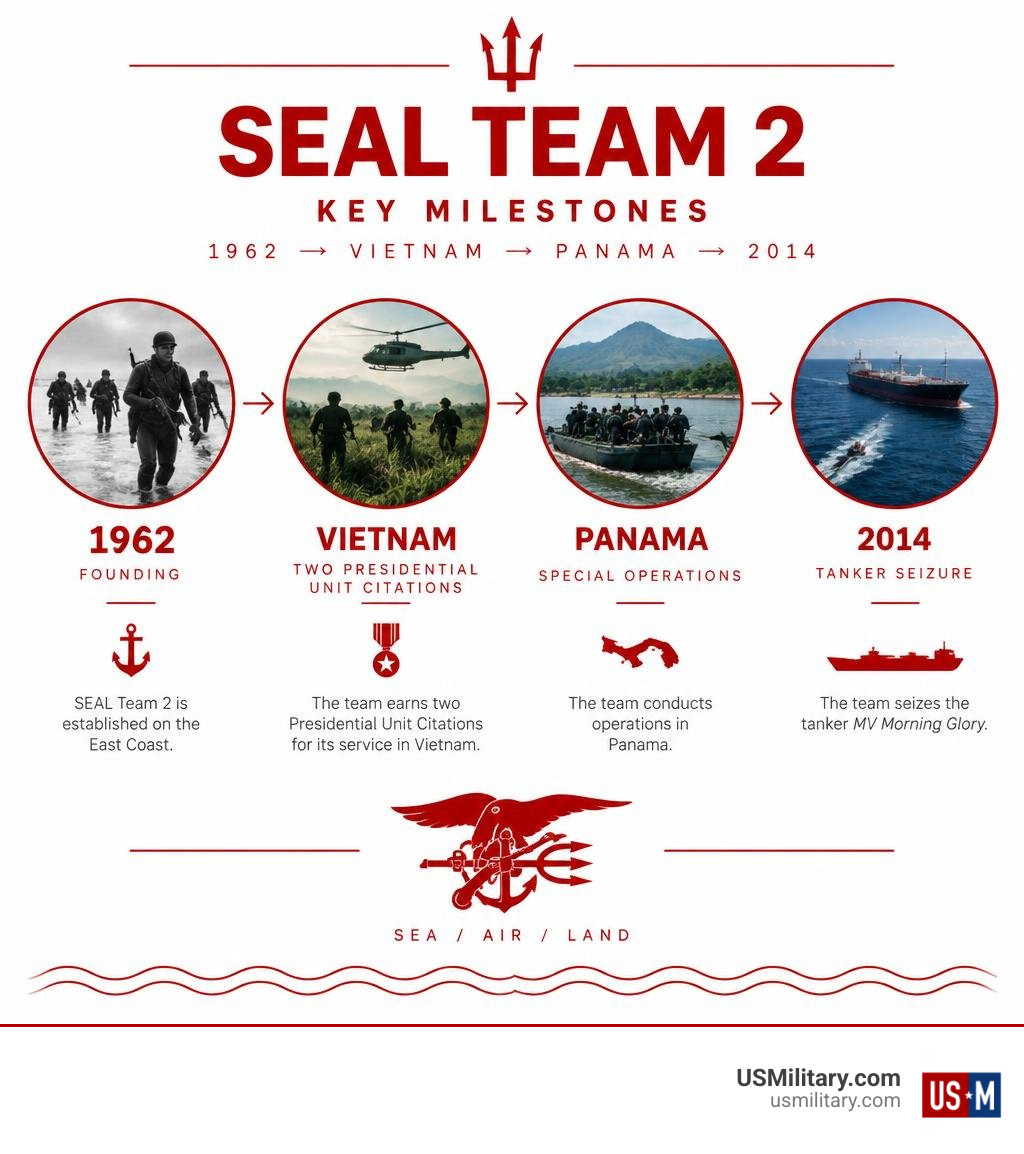
SEAL Team 2 is an East Coast U.S. Navy SEAL unit based at Joint Expeditionary Base Little Creek in Virginia Beach, Virginia. Established in 1962, it conducts special operations by sea, air, and land. Its missions include maritime operations, reconnaissance, and direct action.
The team earned two Presidential Unit Citations for its service in Vietnam. Its later missions included operations in Panama and the 2014 seizure of the tanker MV Morning Glory. Those examples show how its work has changed while its maritime roots have stayed central.
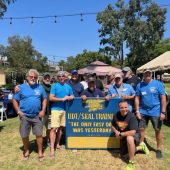
I'm Larry Fowler, a Navy veteran and BUD/S Class 89 graduate. That training shapes how I explain SEAL Team 2's history and missions in this guide.
SEAL Team 2 word list:
Origins and Evolution of SEAL Team 2
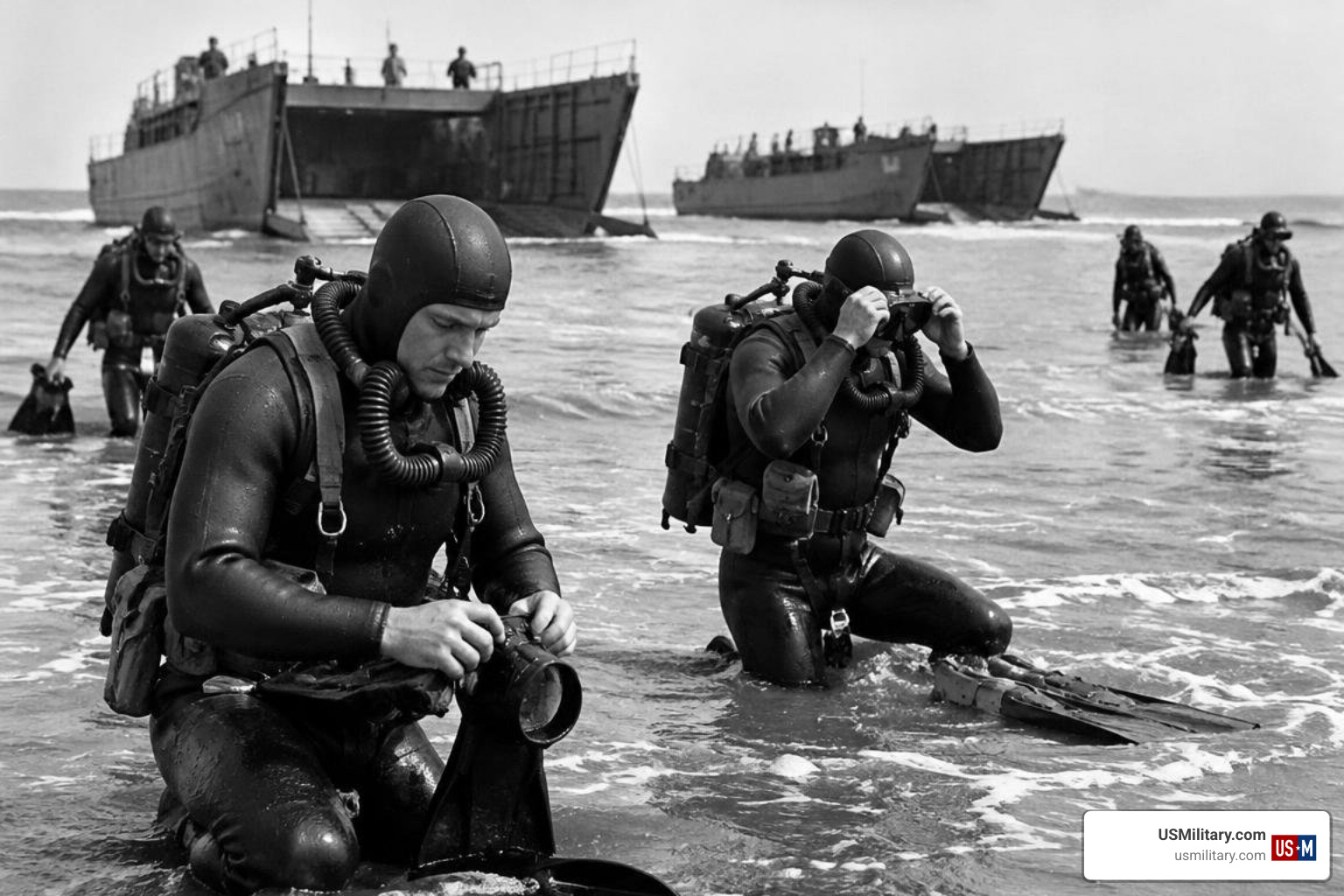
When President John F. Kennedy addressed Congress in 1961, he recognized that Cold War conflicts would not always involve massive fleets or conventional battle lines. The United States needed agile, specialized forces capable of unconventional warfare in maritime, coastal, and riverine environments. In response, the Navy officially established SEAL Team 1 on the West Coast and SEAL Team 2 on the East Coast in January 1962.
Formed directly from the ranks of seasoned Underwater Demolition Units, SEAL Team 2 took on an expanded mandate: conduct covert insertions, counter-guerrilla operations, direct action, and hydrographic demolition from the sea, air, or land.
Precursors: Scouts, Raiders, and Underwater Demolition Teams
The operational DNA of modern maritime commandos traces back to World War II. Specialized groups like the Amphibious Scouts and Raiders, the OSS Maritime Unit, and Naval Combat Demolition Units (NCDUs) tackled hazardous missions under fire. Trailblazers like Phil H. Bucklew—widely remembered as the father of naval special warfare—guided covert reconnaissance along enemy shores during Operation Torch and the Normandy landings.
During the Korean War, Underwater Demolition Teams (UDTs) expanded their tradecraft, clearing naval minefields, destroying coastal rail lines, and scouting landing beaches. When expanding your understanding of United States Navy SEALs history, these early frogmen set the standard of grit and technical skill that paved the way for modern operators.
Presidential Unit Citations and Early Combat Lineage
In Vietnam, SEAL Team 2 tested its tactics in the dense waterways of the Mekong Delta. Deploying as Detachment Bravo (and later operating alongside South Vietnamese commandos), these sailors mastered ambushes, intelligence gathering, and snatch-and-grab raids under extreme conditions.
Trailblazers such as William Goines, the first Black sailor assigned to SEAL Team 2 upon its creation in 1962, completed three combat tours in Vietnam, demonstrating extraordinary endurance and leadership. For sustained heroism between July 1967 and June 1969, and again from July 1969 to June 1971, SEAL Team 2 earned two Presidential Unit Citations. To learn more about this period, check out our guide to US Navy SEALs history.
Command Structure and Little Creek Operational Base
SEAL Team 2 makes its home at Joint Expeditionary Base Little Creek–Fort Story in Virginia Beach, Virginia. Little Creek provides deep-water access, specialized demolition ranges, and tactical mockups required to maintain peak operational readiness for deployments across the Atlantic, Europe, and beyond.
The Eight Platoons of SEAL Team 2
Structurally, SEAL Team 2 consists of eight operational platoons, supported by specialized headquarters, intelligence, ordnance, and mobility task elements.
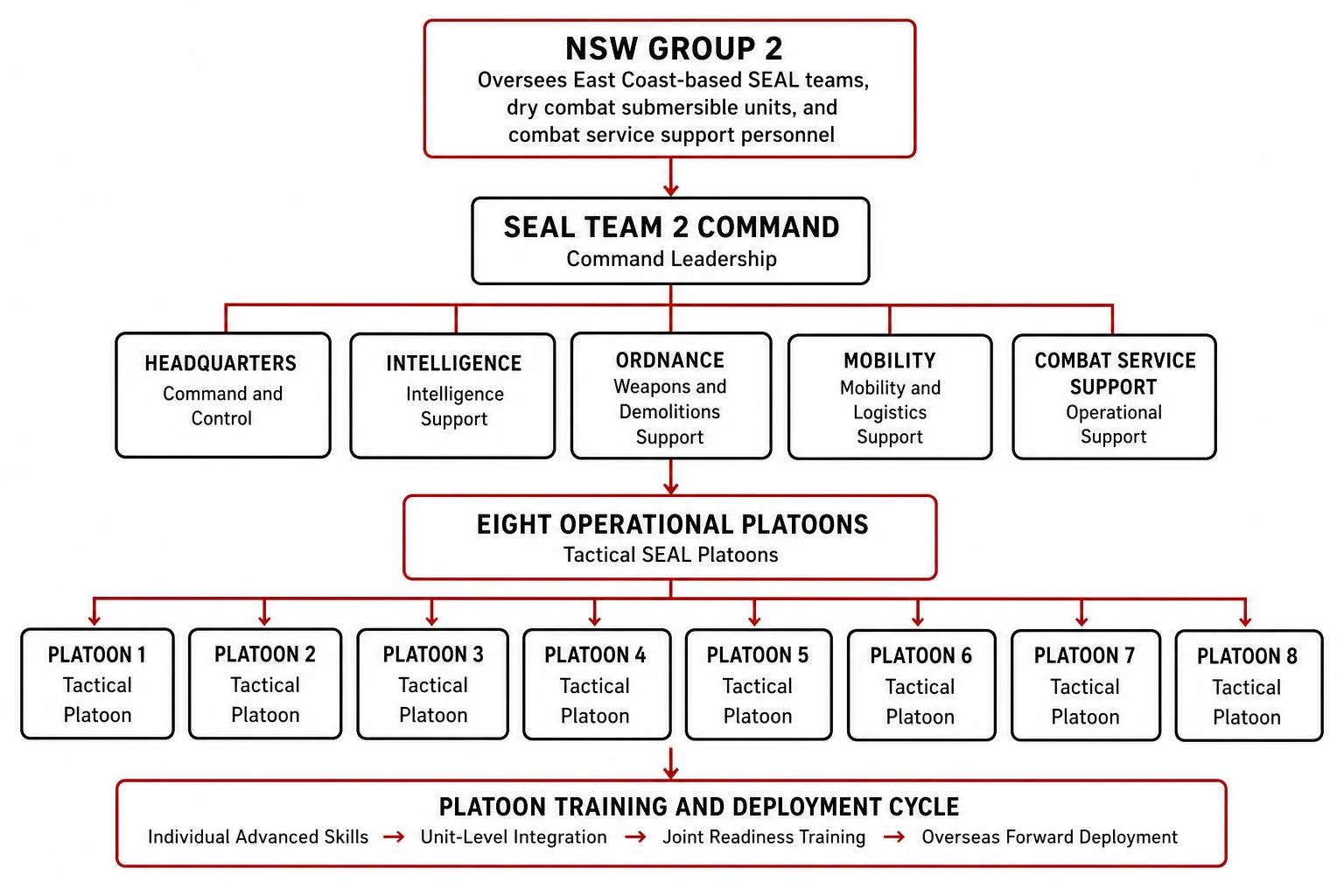
Each platoon follows an intensive cycle that alternates between individual advanced skills, unit-level integration, joint readiness training, and overseas forward deployment. Whether executing direct action or high-threat reconnaissance, these platoons operate with rapid flexibility. Verified service records and camaraderie for the unit are documented across veteran registries like Seal Team 2 | U.S. Navy Unit.
Command Hierarchy under NSW Group 2
SEAL Team 2 operates as a major component of NSW Group 2, which oversees all East Coast-based conventional SEAL teams, dry combat submersible units, and combat service support personnel.
Working alongside brother units covered in our comprehensive guide to SEAL Team 4, Team 2 coordinates closely with Navy support staff, cryptologists, explosive ordnance disposal technicians, and combat boat crews to execute missions under any unified combatant command.
Major Combat Engagements and Historic Missions
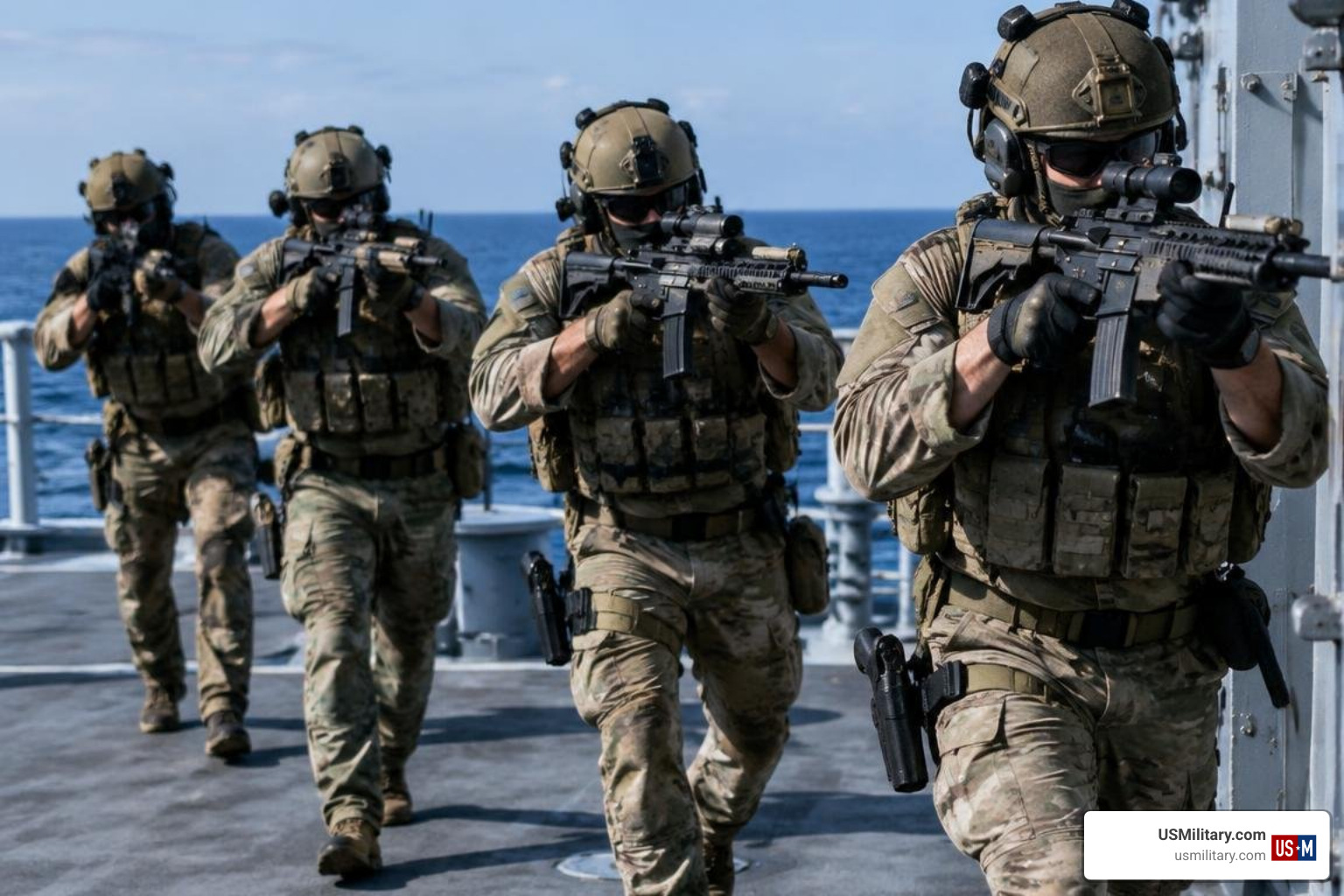
From the late Cold War to present-day maritime flashpoints, SEAL Team 2 has served at the tip of the spear during critical national security operations.
Operation Just Cause, Prime Chance, and Tanker Interdictions
During the late 1980s, SEAL Team 2 operated in the Persian Gulf during Operation Prime Chance, executing Visit, Board, Search, and Seizure (VBSS) missions to safeguard commercial sea lanes during the Iran-Iraq War. In December 1989, operators deployed as part of Task Force White during Operation Just Cause in Panama, conducting coastal interdiction and securing strategic maritime hubs.
More recently, on March 16, 2014, thirty operators from SEAL Team 2 executed a night boarding in international waters off Cyprus, seizing control of the commercial tanker MV Morning Glory. The vessel had been hijacked by armed Libyan rebels carrying illicit crude oil. Team 2 boarded the tanker without casualties, securing the ship and returning control to the Libyan government. In tactical comparisons, our breakdown of elite operations compared with Delta Force reveals how maritime interdiction remains a core SEAL specialty.
Global Counterterrorism and Allied Partner Training
Throughout the Global War on Terror, Team 2 maintained continuous combat rotations in Iraq, Afghanistan, and the Horn of Africa. Beyond direct combat, the unit regularly conducts joint exercises with allied partners in Latin America and across NATO's eastern flank.
In early 2026, 19 operators from SEAL Team 2 conducted a specialized two-month training deployment to Campeche, Mexico, working with Mexican Naval Infantry to enhance coastal counter-cartel capabilities. This interoperability reflects decades of joint mission experience, similar to the multi-branch cooperation detailed in our account of inter-service rescue operations.
Training Pipeline and Specialized Warfare Capabilities
Earning a spot at SEAL Team 2 requires enduring one of the most demanding military pipelines in the world.
| Training Phase | Primary Focus Area | Typical Duration | Key Milestones |
|---|---|---|---|
| BUD/S Prep & Phase 1 | Physical conditioning, water competency | 7–9 Weeks | Physical Screening Test, Hell Week |
| BUD/S Phase 2 & 3 | Combat diving, land warfare, demolitions | 16 Weeks | Closed-circuit diving, live-fire tactics |
| SQT | Advanced weapons, SERE, jump training | 26 Weeks | Freefall parachuting, SEAL Trident pin |
| Unit Level Training | Platoon integration, cold-weather warfare | 18 Months | Mission-specific validation, deployment |
Selection Standards and BUD/S Requirements
Every candidate begins with basic training and progresses to Basic Underwater Demolition/SEAL (BUD/S) at Coronado, California. Surviving the notorious sleep deprivation and continuous physical trials of Hell Week tests mental grit above all else. Candidates then advance through combat diving, tactical demolitions, and the SEAL Qualification Training (SQT) pipeline.
To prepare for these challenges, review our complete guide to BUD/S training requirements. For those exploring career compensation, our breakdown of enlisted SEAL salary and pay benefits details special duty pay, enlistment incentives, and hazardous duty allowances.
Modern Role of SEAL Team 2 in Great Power Competition
As the strategic environment shifts toward Great Power Competition in late 2026, SEAL Team 2 has sharpened its capabilities for contested maritime environments. Operators train extensively in cold-weather warfare, undersea reconnaissance, and distributed maritime operations across northern Europe and Arctic waters.
Understanding this dynamic rhythm is easier when exploring a day in the life of a Navy SEAL operator, where tactical preparation meets rigorous day-to-day discipline.
Frequently Asked Questions About Naval Special Warfare Units
When was SEAL Team 2 officially established?
SEAL Team 2 was officially commissioned in January 1962 alongside SEAL Team 1 following an executive directive from President John F. Kennedy to expand maritime unconventional warfare capabilities.
Where is SEAL Team 2 currently homeported?
SEAL Team 2 is headquartered at Joint Expeditionary Base Little Creek–Fort Story in Virginia Beach, Virginia, serving as one of the primary East Coast operational commands.
What distinguishes SEAL Team 2 from SEAL Team 6?
SEAL Team 2 is an East Coast numbered SEAL team operating under Naval Special Warfare Group 2, while SEAL Team 6 (Naval Special Warfare Development Group, or DEVGRU) is a Tier 1 national mission unit under Joint Special Operations Command. For a closer look at that distinction, see our guide to SEAL Team Six.
Conclusion
From clearing obstacles on World War II beaches to interdicting hijacked tankers in international waters, SEAL Team 2 exemplifies the highest standards of maritime special warfare. Their enduring legacy of courage, precision, and mission success continues to shape how our nation defends its interests across global waters.
At USMilitary.com, we are dedicated to supporting active-duty service members, veterans, and military families. Whether you need information on VA home loans, disability ratings, career transitions, or special operations history, we provide trusted resources to guide your military journey. For a broader look at the community and its requirements, explore our Navy SEALs Complete Guide.