
The Real Cost of Elite Training: Bad Habits Navy SEALs Actually Admit To
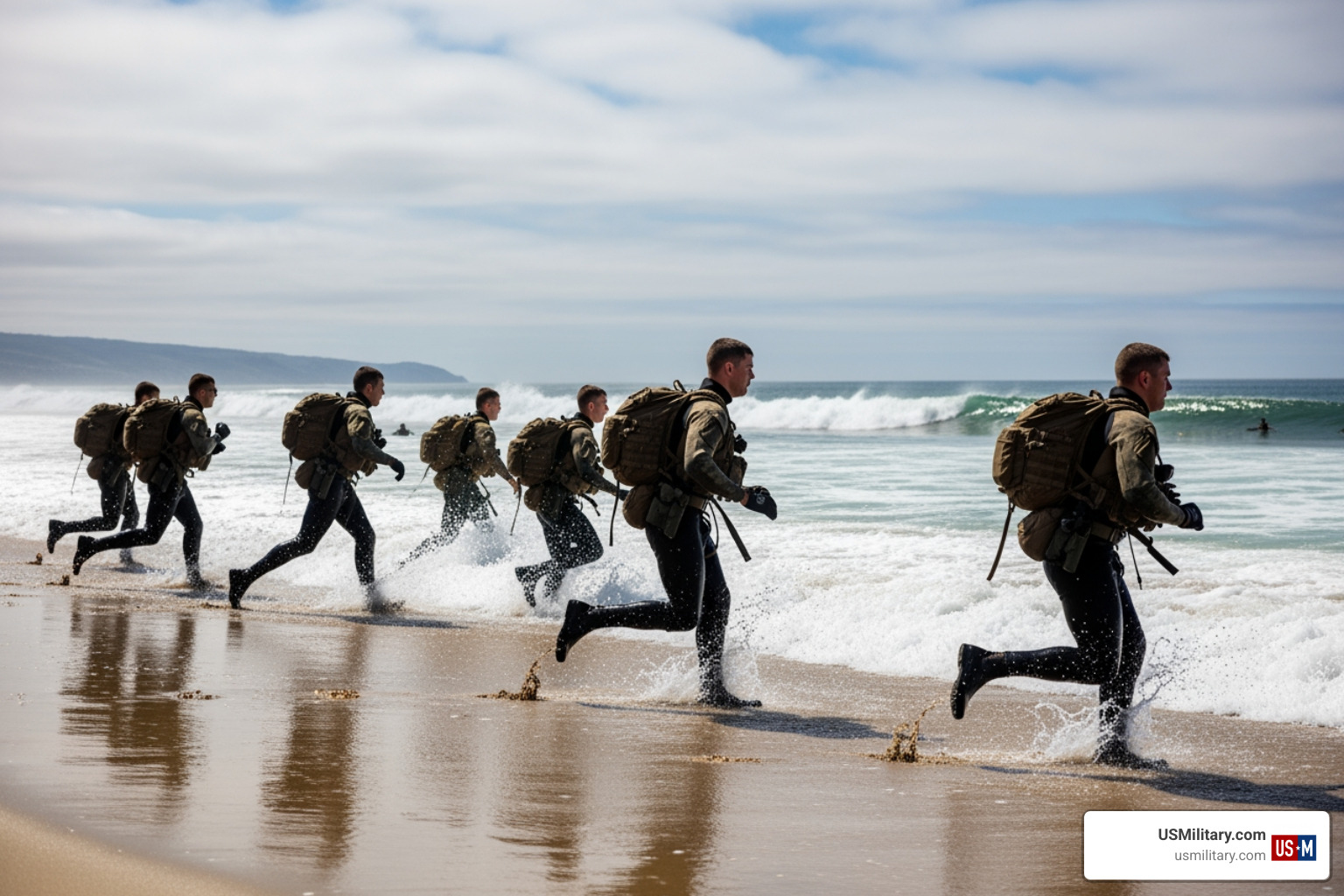
The 10 bad habits of all Navy SEALs confess to may surprise you — because they don't come from weakness. They come from the same intense discipline that makes SEALs elite.
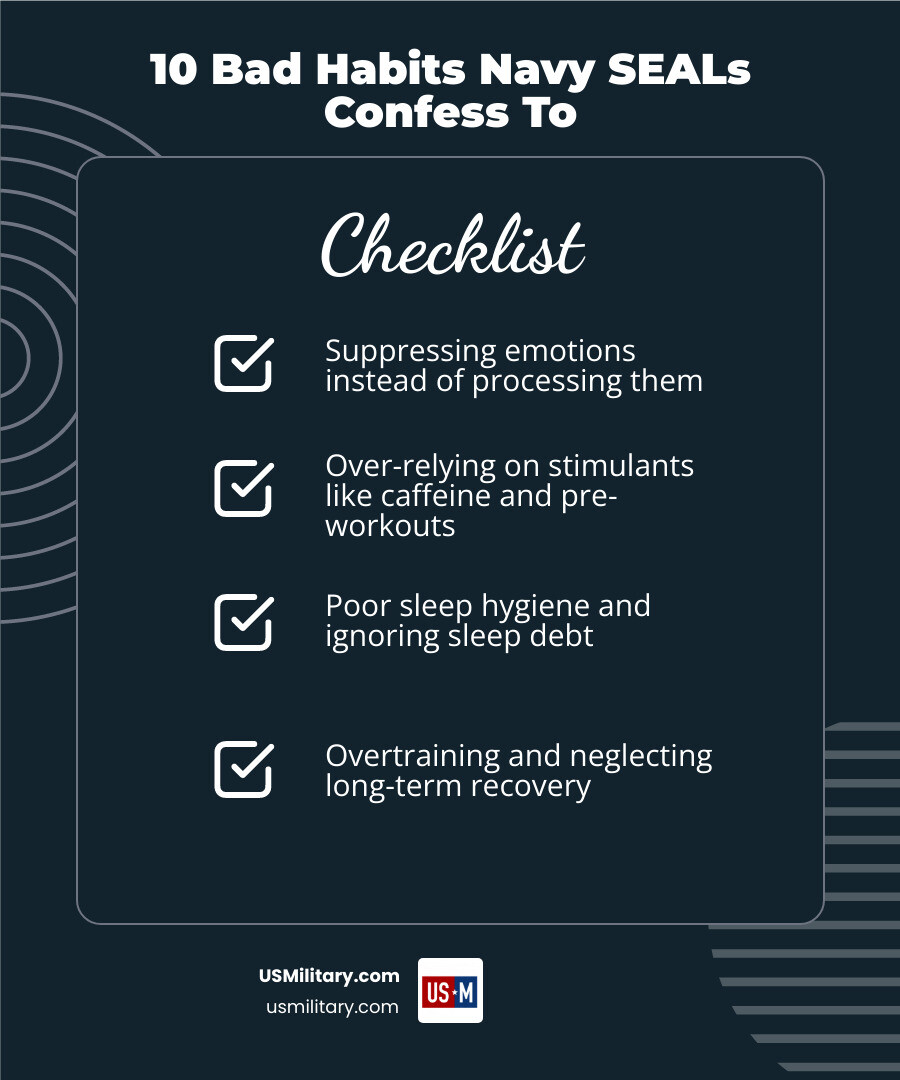
Here's a quick overview:
- Suppressing emotions instead of processing them
- Over-relying on stimulants like caffeine and pre-workouts
- Poor sleep hygiene and ignoring sleep debt
- Overtraining and neglecting long-term recovery
- Toxic perfectionism and workaholism
- Adrenaline seeking and high-risk behavior in civilian life
- Treating relationships like military operations
- Ignoring real physical pain and injury signals
- Substance abuse and self-medicating
- Hyper-independence and refusing to ask for help
These habits don't appear on day one. They build slowly — forged through years of extreme stress, sleep deprivation, and a culture that rewards pushing past every limit. BUD/S training alone sees a 75–80% dropout rate, with some classes like Class 264 losing 94% of candidates. The ones who survive are mentally hardwired to never stop, never quit, never show weakness.
That wiring saves lives in combat. But it can quietly destroy everything else.
When SEAL Team 10 operators were caught abusing cocaine in 2018 — describing military drug tests as "a joke" and swapping urine samples to pass — it exposed something the community rarely discusses openly: even the world's most elite warriors develop destructive habits.
I'm Larry Fowler, graduate of BUD/S class 89, publisher of the USMilitary.com Network since 2007 and a longtime resource for active military, veterans, and those navigating service-related decisions. My years covering military culture and veteran transitions have given me a front-row seat to how the 10 bad habits of all Navy SEALs confess to quietly follow operators from the battlefield into everyday life. Read on for a candid, habit-by-habit breakdown — and what it means for anyone connected to military service.
10 Bad Habits of all Navy SEALs confess to terms to remember:
- A Day In The Life Of A Navy SEAL Operator
- How Navy SEALs Can Be Perfect Husbands and Amazing Role Models
- Story of Adam Brown Navy SEAL
The Dark Side of Elite Discipline: 10 Bad Habits of all Navy SEALs confess to
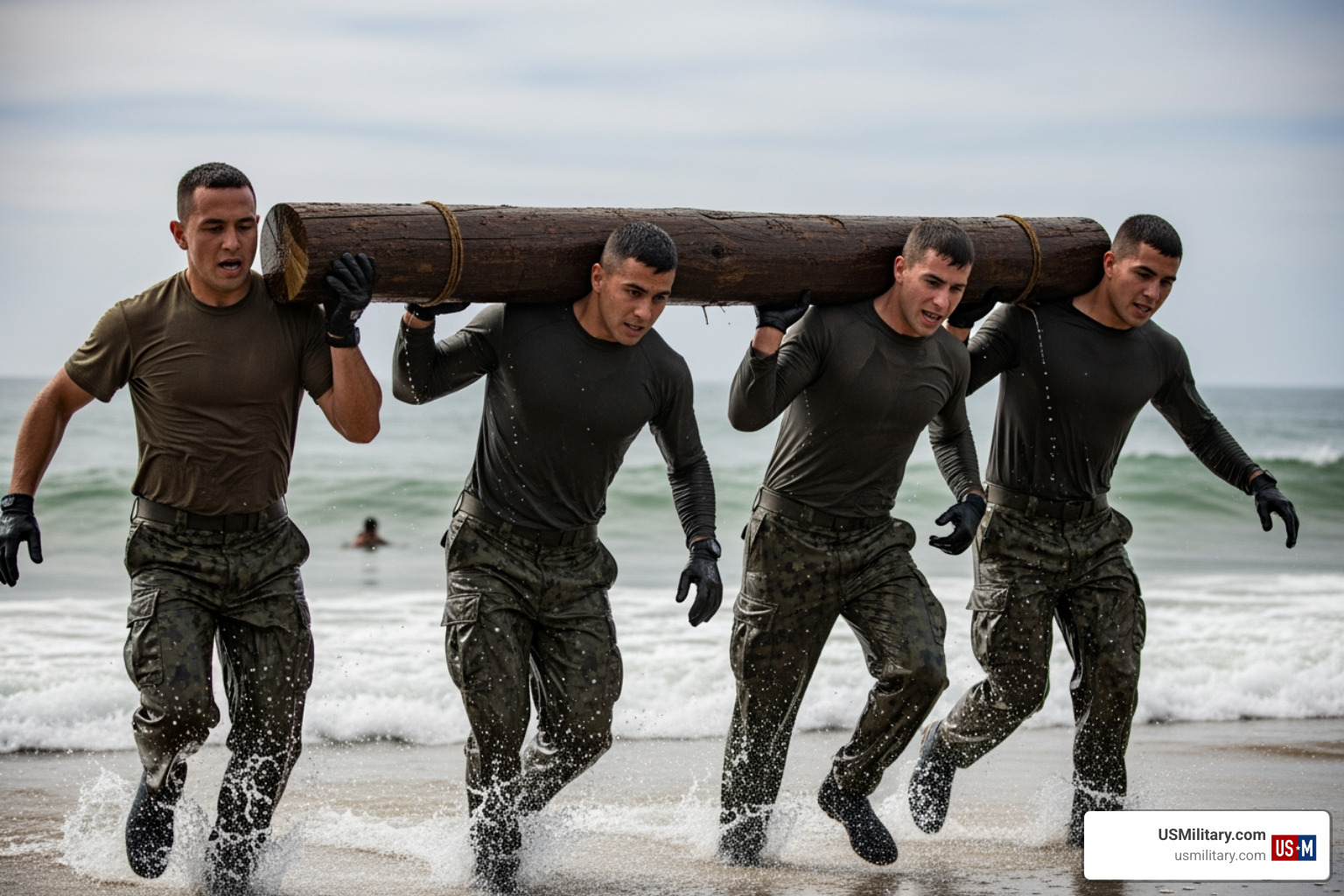
To understand how these bad habits form, we have to look at the crucible where Navy SEALs are made. Basic Underwater Demolition/SEAL (BUD/S) training is designed to break a human being down to their absolute foundation and rebuild them into an unstoppable tactical asset.
Historically, about 75% to 80% of candidates fail to complete Navy SEAL BUD/S Training. In legendary cases like BUD/S Class 264, the attrition rate skyrocketed to a staggering 94%, leaving only 16 out of 256 candidates standing at graduation.
The military invests heavily in this selection process, spending approximately $100,000 per soldier in initial training and bonuses. Yet, across the broader military, almost half of all enlistees do not complete their first enlistment. For those who do make it through the grueling selection process to earn their Navy SEAL Trident, the psychological survival mechanisms they develop during training don't simply turn off when they take off the uniform.
The very traits that make a great operator—extreme ownership, a refusal to accept failure, and an ability to compartmentalize fear and pain—often mutate into deeply destructive personal habits. Let's explore the ten most common bad habits that former and active-duty Navy SEALs confess to carrying with them.
1. Suppressing Emotions: The Mental Health Bad Habit of all Navy SEALs confess to
During Navy SEAL Training BUD/S, there is zero room for emotional processing. If a candidate stops to mourn a setback, feel sorry for themselves, or express vulnerability, they will quickly find themselves ringing the brass bell to quit. Operators are trained to lock their emotions in a dark box so they can focus on the immediate tactical task.
While compartmentalization is a lifesaving skill during a firefight, it is a toxic habit in civilian life. Many former SEALs confess that they struggle to feel or express basic human emotions like joy, grief, or empathy. When a traumatic event occurs, their default setting is to shut down emotionally.
To cope with this internal emotional vacuum, many operators rely heavily on pitch-black humor. While laughing at the absurd misery of freezing in the surf at 3:00 AM builds incredible resilience in training, using dark humor to deflect real-world trauma often prevents genuine healing. Over time, this chronic emotional suppression can directly contribute to severe post-traumatic stress, as explored in our guide on Navy SEALs PTSD.
2. Over-reliance on Stimulants: A Bad Habit of all Navy SEALs confess to
A Navy SEAL's day-to-day life is fueled by chemical energy. From the pre-dawn workouts of BUD/S to the midnight operations of a deployment, sleep is a luxury that operators rarely enjoy. To bridge the gap between profound exhaustion and peak physical performance, many SEALs develop a massive, daily dependency on stimulants.
It starts with coffee and energy drinks, but it frequently escalates to highly concentrated pre-workout powders, caffeine pills, and ephedrine-based supplements. Former operators admit that consuming 800 to 1,000 milligrams of caffeine a day is not uncommon in the teams.
This constant flooding of the nervous system keeps their bodies in a perpetual state of fight-or-flight. Even when they have the opportunity to rest, their adrenal systems are so fried from stimulants that they cannot achieve natural, restorative sleep. This cycle of exhaustion and chemical stimulation is a widely recognized pitfall, even among those who possess the core 10 Habits, Personality, and Character Traits of All Navy SEALs.
3. Poor Sleep Hygiene and Ignoring Sleep Debt
During Hell Week Navy SEALs receive less than four hours of total sleep across five and a half days of continuous physical exertion. This extreme sleep deprivation is designed to prove that the human mind can override the body's natural biological needs.
Hell Week Sleep Reality:
- Continuous Physical Exertion: 132 Hours
- Total Sleep: Approximately 4 Hours
Unfortunately, this training instills a dangerous, long-term belief: that sleep is optional.
Many SEALs carry this "sleep when you're dead" mentality throughout their entire careers and into retirement. They ignore sleep hygiene entirely, sleeping in short, fitful bursts and treating sleep debt as a badge of honor. Science tells us that the brain has a "central governor" that limits performance to protect our organs, but SEALs are trained to ignore this warning system. Chronic sleep deprivation damages cognitive function, weakens the immune system, and accelerates physical aging, yet many operators find it nearly impossible to break the habit of sleeping only four hours a night.
4. Overtraining and Neglecting Long-Term Recovery
The physical demands of a SEAL operator are legendary. However, the drive to maintain a world-class level of fitness often crosses the line into a destructive addiction to overtraining. SEALs are competitive by nature, and they frequently push their bodies far past the point of healthy adaptation.
Instead of balanced training that prioritizes longevity, many operators engage in high-impact, high-intensity workouts daily without allowing time for proper joint and muscle recovery. They prioritize functional fitness but ignore the basic rules of recovery like stretching, mobility work, and rest days.
This "more is always better" mentality leads to chronic joint wear, torn ligaments, and early-onset osteoarthritis. While some of these routines are highlighted in popular articles like 10 Navy SEAL Habits That Could Save Your Life, the reality is that ignoring the body's warning signs eventually leads to severe, permanent physical degradation.
5. Toxic Perfectionism and Workaholism
The concept of "extreme ownership"—pioneered by prominent former SEALs—dictates that an individual is completely responsible for the success or failure of their mission and their team. In a high-stakes military environment, this level of accountability saves lives.
In the civilian world, however, extreme ownership can easily mutate into toxic perfectionism and severe workaholism. When a former SEAL transitions into a corporate environment, they may struggle to delegate tasks, believing that if they want something done perfectly, they must do it themselves.
This leads to micromanagement, extreme workplace stress, and friction with civilian colleagues who do not share the same life-or-death urgency. The drive to constantly optimize and eliminate errors makes it incredibly difficult for these individuals to relax, turn off their work brains, or accept that mistakes are a natural part of human business operations. This friction is a common theme when adapting The 7 Secret Habits of Navy SEALs to the civilian corporate sector.
6. Adrenaline Seeking and High-Risk Behaviors
When you spend years jumping out of airplanes at high altitudes, diving in pitch-black waters, and conducting direct-action raids, civilian life can feel incredibly flat. The human brain adapts to the high chemical baseline of combat, and when that baseline drops during a post-service transition, many operators experience a profound sense of boredom and emptiness.
To recreate that missing chemical rush, some former SEALs fall into habits of extreme adrenaline seeking. This can manifest as:
- Reckless driving or motorcycling at extreme speeds
- Engaging in high-risk extreme sports without proper safety margins
- Making impulsive, high-stakes financial decisions
- Seeking out physical confrontations or volatile social situations
These risk-taking behaviors are often unconscious attempts to self-medicate a nervous system that has been calibrated to survive in a war zone.
7. Treating Personal Relationships Like Military Operations
In a SEAL platoon, communication is direct, blunt, and entirely focused on mission execution. There is no room for hurt feelings or delicate diplomatic phrasing. Feedback is given instantly and harshly during After Action Reviews (AARs) to ensure mistakes are never repeated.
When operators apply this same communication style at home, it can devastate their family life. Spouses and children do not operate under military command structures. Former SEALs confess that they often treat their households like platoons, demanding rigid adherence to schedules, issuing commands rather than having conversations, and showing a distinct lack of emotional empathy during family disputes. This clinical, mission-oriented approach to domestic life builds immense marital stress and can create deep emotional barriers between veterans and their loved ones.
8. Ignoring Real Physical Limits and Pain
The famous "40% rule" taught in special operations circles states that when your mind tells you that you are completely finished, you have actually only tapped into about 40% of your true physical capability. While this mental tool is incredibly powerful for breaking through psychological barriers, it can backfire catastrophically when it comes to managing actual physical injuries.
SEALs are notorious for hiding serious injuries—such as stress fractures, torn labrums, and concussions—from their command and medical staff. They do this because they fear being "rolled back" in training or being pulled from an upcoming deployment.
By constantly overriding their body's pain signals, they turn minor, treatable injuries into permanent, debilitating conditions. They treat their bodies like rented sports cars, driving them at maximum speed until the engine completely gives out. This habit of ignoring physical limits is one of the most common "weird" traits discussed in resources like 10 unusual weird habits of navy seals.
9. Substance Abuse and Self-Medicating
When the physical pain, sleep debt, and emotional trauma of the job become too heavy to ignore, some operators turn to self-medication. While the military maintains a strict zero-tolerance policy for drug use, the high-pressure environment of the teams has occasionally fostered pockets of severe substance abuse.
The most prominent public example of this occurred within SEAL Team 10 in 2018. An internal investigation revealed that multiple operators were actively using cocaine and other illicit substances, often while deployed or preparing for missions. The operators had developed sophisticated methods for defeating the military's urinalysis program, which they openly mocked as "a joke."
This scandal highlighted how even the most disciplined, elite warriors can fall victim to the habit of using chemical substances to escape the crushing weight of physical and psychological exhaustion.
10. Hyper-Independence and Refusing to Ask for Help
The ultimate bad habit that ties all the others together is hyper-independence. SEALs are trained to be the ultimate problem solvers. If a situation goes sideways, they are expected to find a way to win, no matter how bad the odds.
This creates a deep-seated belief that asking for help is a sign of weakness and a failure of personal discipline. Whether they are struggling with a severe physical injury, intense psychological trauma, or a failing marriage, many SEALs will suffer in absolute silence rather than reach out to a professional or a peer. This "lone wolf" mentality is incredibly dangerous, particularly during the transition back to civilian life when the structured support network of the military is suddenly gone.
Reconciling Elite Discipline with Personal Struggles

The contrast between the legendary discipline of the Navy SEALs and the reality of these bad habits can be difficult to reconcile. How can individuals who possess the mental toughness to survive Hell Week fall victim to basic human failings like drug abuse or emotional avoidance?
The answer lies in the reality of human psychology. Discipline is a finite resource, and when it is entirely consumed by the demands of combat and elite training, there is often very little left over for personal life. The Navy's investigation into the SEAL Team 10 cocaine scandal revealed that the operators involved rationalized their drug use as a way to "blow off steam" and cope with the relentless operational tempo of their careers.
Following that 2018 investigation, the military took swift action. Four SEALs were administratively separated from the Navy, and the command implemented much more rigorous, unpredictable drug testing protocols, ensuring that no deployment location was too remote for screening. Tragically, one of the SEALs involved in the investigation died by suicide shortly after the positive drug test, underscoring the extreme, life-or-death stakes of mental health struggles within this elite community.
| Training Discipline | Post-Deployment Coping Mechanism |
|---|---|
| Extreme Compartmentalization | Complete Emotional Suppression & Avoidance |
| Pushing Past Physical Limits | Ignoring Serious Injuries & Overtraining |
| High-Intensity Mission Focus | Adrenaline Seeking & Reckless Behavior |
| Absolute Self-Reliance | Hyper-Independence & Refusing Help |
Frequently Asked Questions About Navy SEAL Habits
How does the 40% rule backfire for Navy SEALs?
While the 40% rule is an excellent tool for building mental toughness, it backfires when operators use it to ignore genuine medical emergencies. By believing they always have 60% more capacity left, SEALs frequently train through stress fractures, torn ligaments, and traumatic brain injuries, turning minor, treatable issues into lifelong physical disabilities.
What was the SEAL Team 10 cocaine scandal?
In 2018, an internal military investigation revealed that several operators within SEAL Team 10 were abusing cocaine. The investigation exposed lax drug testing protocols on deployments and showed how operators swapped urine samples to defeat screenings. The scandal resulted in administrative separations and led to a major overhaul of the Navy's urinalysis program.
How do Navy SEAL habits affect their families?
The habits of emotional suppression, direct and blunt communication, and treating the home like a tactical unit often create severe marital and family stress. Spouses and children can feel emotionally neglected or micromanaged, which contributes to high divorce rates and difficult family dynamics within the special operations community.
Conclusion
The 10 bad habits of all Navy SEALs confess to serve as a powerful reminder that even the strongest among us are entirely human. The very traits that make these men legends on the battlefield—unyielding discipline, emotional compartmentalization, and an absolute refusal to quit—can become heavy chains when they return home to civilian life.
For veterans navigating these exact transition challenges, or for civilians looking to build elite discipline without the destructive side effects, understanding this balance is crucial. True strength is not about being an unbreakable machine; it is about knowing when to put the armor down, when to ask for help, and how to heal the wounds you cannot see.
If you or a loved one are navigating military life, looking into career opportunities, or seeking transition resources, we are here to support you. Explore our comprehensive Navy SEALs Complete Guide to learn more about the reality of life in the teams, and access our tools for VA benefits, housing assistance, and veteran support networks.