Are Navy SEALs Really Perfectionists and Alphas?
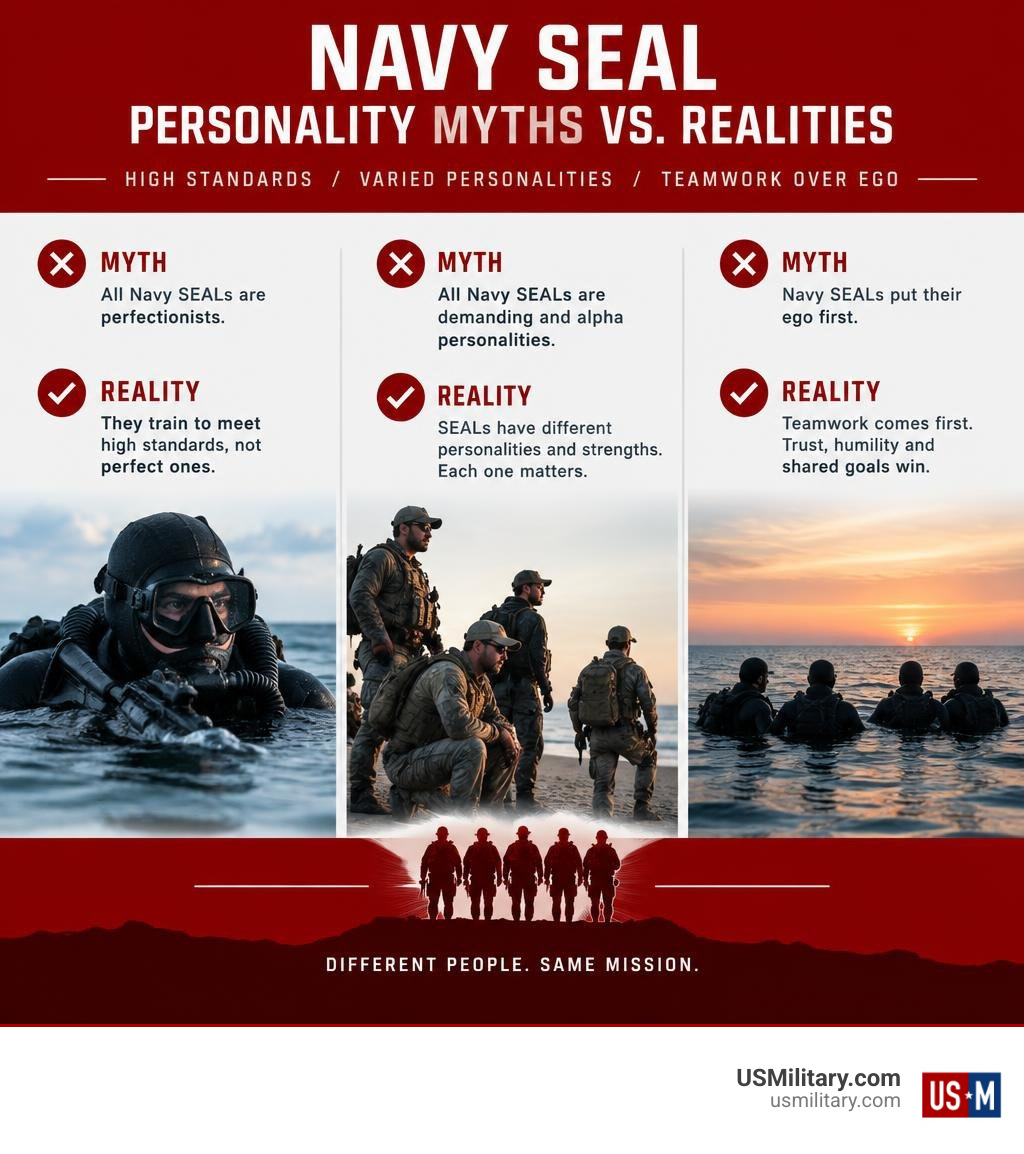
No. Navy SEALs train to meet demanding standards, but that does not mean every SEAL is a perfectionist or a dominant "alpha." The job calls for skill and confidence. It also calls for calm judgment, trust, and the ability to put the team ahead of yourself.
BUD/S tests more than physical strength. Candidates must keep going under stress while working with others. That helps explain why a quiet, reliable teammate can be just as valuable as someone who stands out.
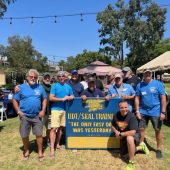
I'm Larry Fowler, a Navy veteran and graduate of BUD/S Class 89. I draw on that experience to examine the question, "Are All Navy SEALs Perfectionist, Demanding, and Alphas" and what SEAL training and team culture reveal about the answer. To be clear, many of my team friends are the most logical, calm, peaceful, friendly as you'll ever find. Bottomline, like every all other groups, team guys come in all shapes and sizes. Although, for me, my BUD/S class 89 team mates remain friends, a couple very close, even after almost 50 years.
Quick Are All Navy SEALs Perfectionist, Demanding, and Alphas? terms:
Reality Check: Are All Navy SEALs Perfectionist, Demanding, and Alphas?
Pop culture often paints special operators with a broad brush. Hollywood blockbusters love the screaming, chest-thumping caricature who demands flawless execution from everyone around him. In reality, the community of active-duty Navy SEALs—numbering just over 2,000 operators—is made up of diverse human beings who bring distinct personalities to the table.
While you will certainly find intense, hard-charging personalities in the teams, you will find just as many thoughtful, soft-spoken operators. The defining trait of Naval Special Warfare is not an aggressive ego, but quiet professionalism and an uncompromising commitment to standards.
| Stereotypical "Alpha" Tropes | Actual SEAL Operational Traits |
|---|---|
| Domineering and vocal leadership | Calm, decentralized command |
| Obsession with rigid perfection | Continuous pursuit of excellence and tactical adaptability |
| Lone-wolf heroism and self-promotion | Absolute subordination of ego to the team |
| Emotionally volatile under friction | Calculated emotional regulation and tactical patience |
Case Study Breakdown: Are All Navy SEALs Perfectionist, Demanding, and Alphas in Combat?
In high-stakes combat situations, loud egos get people killed. Real operational success requires tactical patience, composure, and emotional control. When we look at history, the most celebrated warriors achieved greatness through calculated calm and extreme devotion to their brothers rather than domineering behavior. You can see these distinct personality traits across 15 inspiring operators in American history who redefined special warfare through self-sacrifice and steady judgment rather than bravado.
Selection Realities: Why the 'Gray Man' Beats the Hollywood Alpha
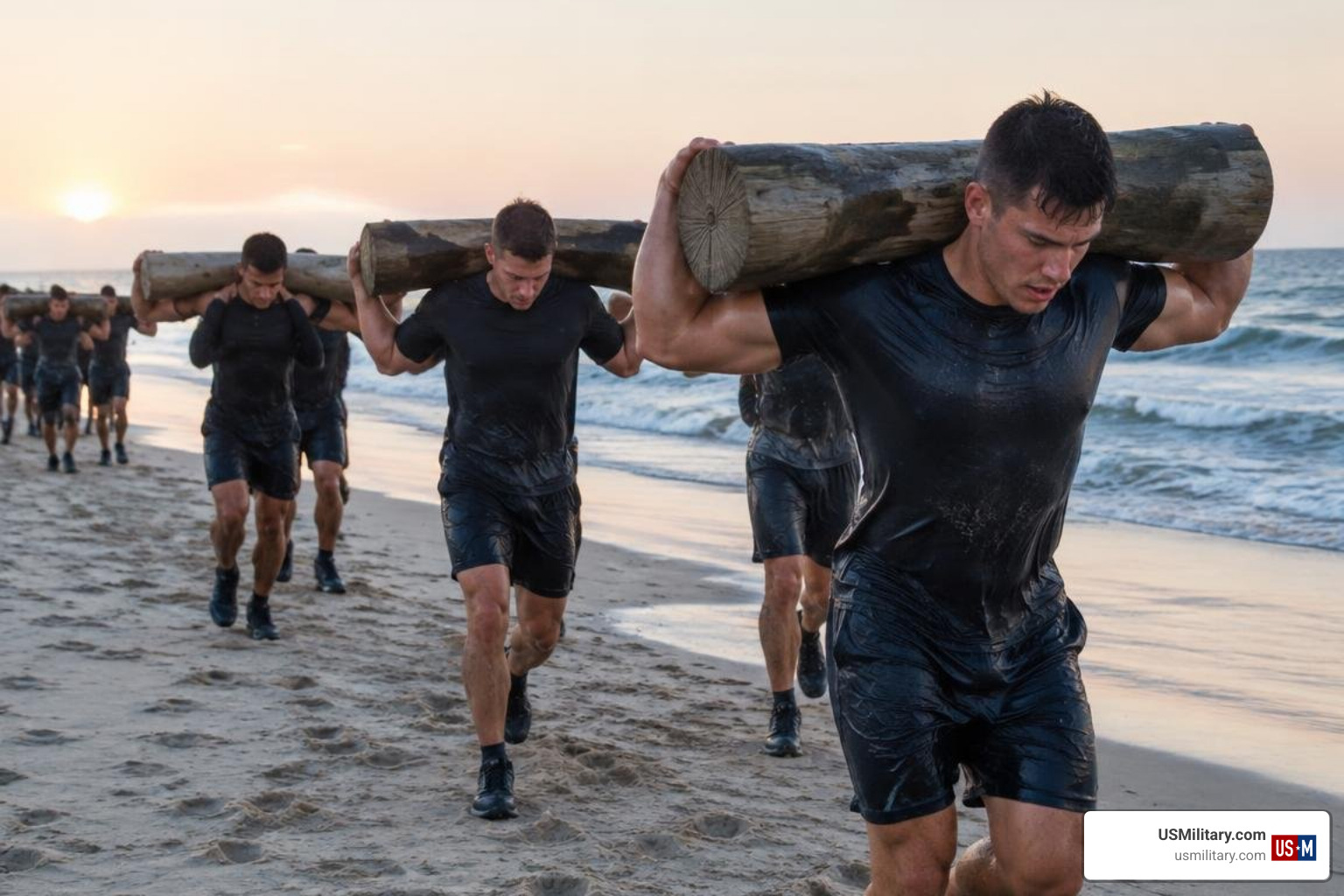
During selection, instructors actively look for what the community calls the "Gray Man." This is the candidate who consistently hits every standard, never complains, avoids unnecessary drama, and supports his boat crew without trying to show off.
Arrogant candidates who try to establish individual dominance often fail peer evaluations. When instructors watch candidates suffer through freezing Pacific surf, they do not care about boastful confidence; they care about who shares the load on a 200-pound log. At the same time, high-intensity screening carries distinct psychological hazards, including 10 risky personality traits of Navy SEALs like extreme tolerance for chaos and emotional detachment that require careful balance.
The Crucible of Selection: BUD/S, Hell Week, and Mental Conditioning
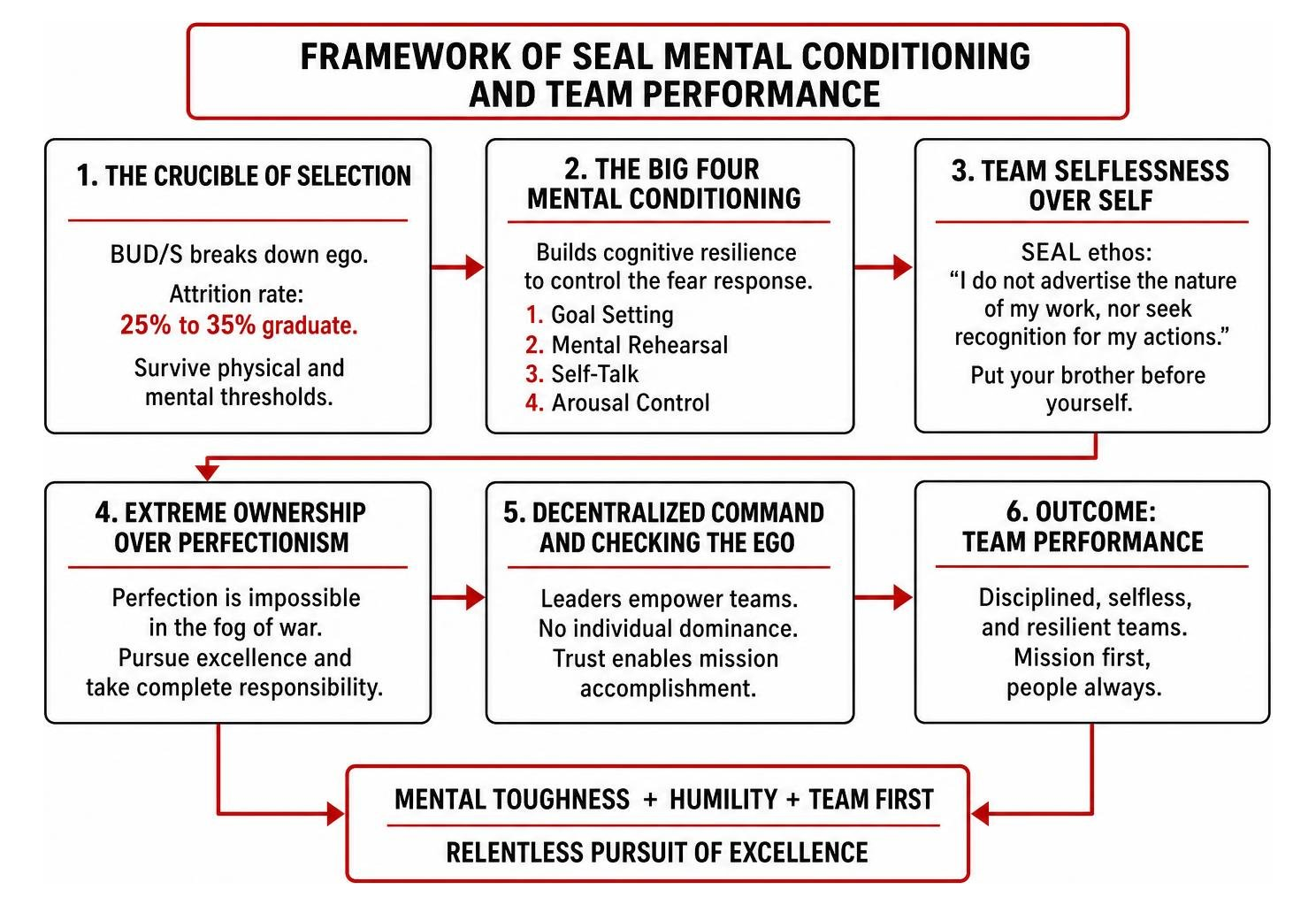
Basic Underwater Demolition/SEAL (BUD/S) selection is designed to systematically dismantle individual ego. The pipeline has an attrition rate where only 25% to 35% of candidates graduate. Surviving the three phases of SEAL selection requires navigating physical and mental thresholds that test human limits.
All to say, having characteristics of being an alpha can be a necessary trait to survive BUD/S. But also for being a team guy! In fact, its absolutely necessary!
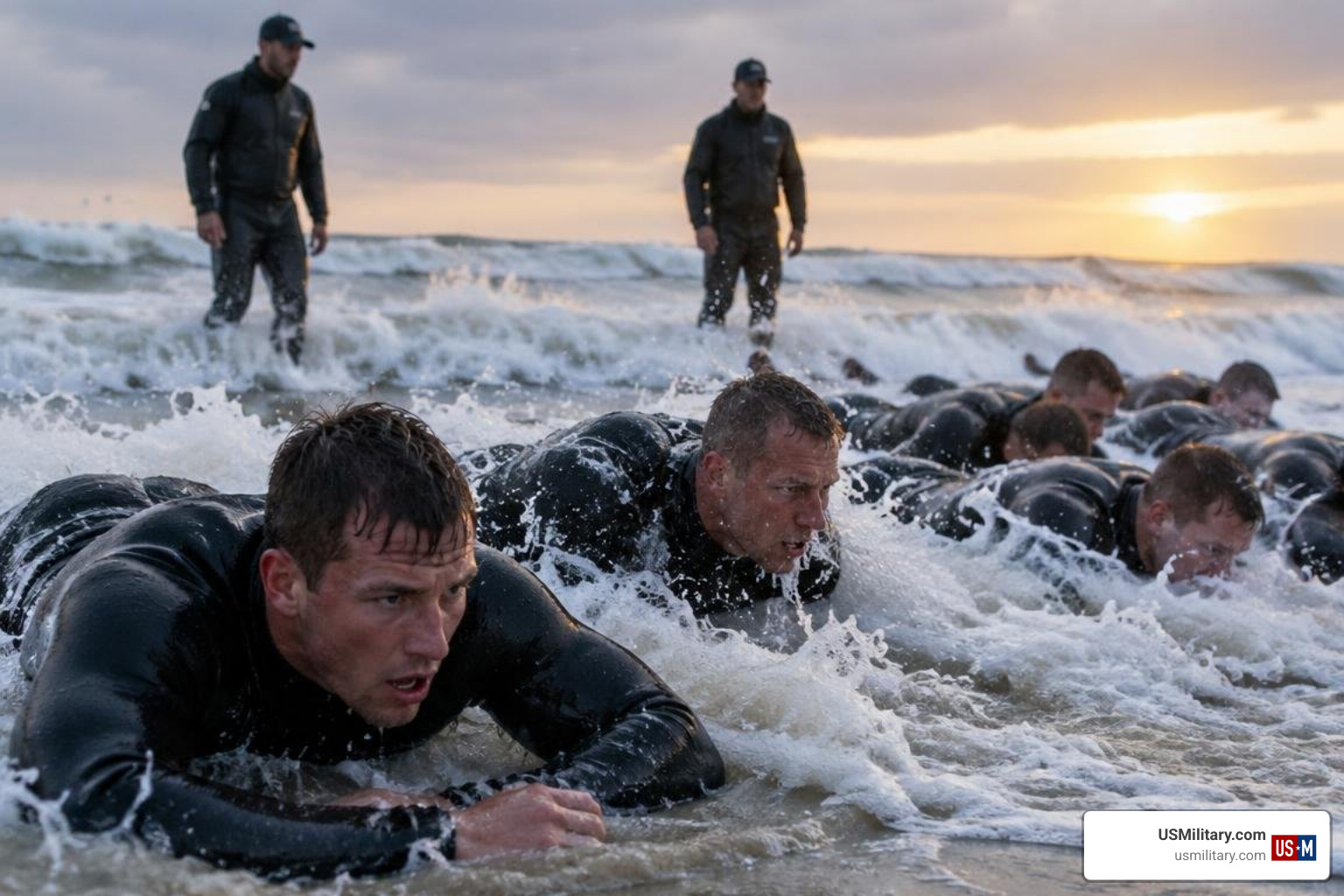
Hell Week occurs during Phase 1. Candidates run roughly 200 miles and engage in non-stop physical evolutions while getting less than four hours of sleep over five and a half days. Examining the evolution of special warfare since 1962 highlights how this brutal crucible proves that cognitive resilience matters far more than raw muscle mass or loud self-assurance.
The Big Four and Controlling the Fear Response
To survive this training, operators learn mental conditioning techniques known as the "Big Four":
- Goal Setting: Breaking impossible evolutions into manageable micro-goals (such as surviving until the next meal).
- Mental Rehearsal: Visualizing every tactical step and response before execution.
- Self-Talk: Controlling internal cognitive dialogue to prevent panic.
- Arousal Control: Using structured breathing exercises (like box breathing) to down-regulate the nervous system.
Applying these stress-management techniques is essential, as detailed across mental resilience quotes and protocols. Embracing these practices demonstrates the profound lessons in personal growth from BUD/S that serve operators throughout their careers.
Team Selflessness vs. Individual Dominance: Lessons from Michael Monsoor
The ultimate counterweight to the aggressive "alpha" stereotype is the selflessness demanded by the teams. In 2006, Petty Officer Second Class Michael Monsoor threw himself onto a live grenade in Ramadi, Iraq, saving the lives of two teammates.
Monsoor's sacrifice embodies the official SEAL ethos, which explicitly reminds every operator: "I do not advertise the nature of my work, nor seek recognition for my actions." The culture elevates putting your brother before yourself above all else.
Extreme Ownership vs. Pure Perfectionism: Tactical Leadership in Practice
SEALs understand that perfection is impossible in the fog of war. Rather than chasing rigid perfectionism, the culture focuses on the relentless pursuit of excellence and personal responsibility. Studying the core principles of Extreme Ownership shows that effective leaders do not blame external circumstances or point fingers at subordinates; they take complete responsibility when operations fall short.
Decentralized Command and Checking the Ego
True operational success relies on decentralized command, where junior operators are trusted to make split-second decisions on the battlefield. This leadership model requires leaders to check their egos at the door.
As captured in these tactical leadership book notes, leading effectively means empowering others rather than micromanaging. Yet, operators must continuously guard against blind spots, including specific habits confessed by special operators that can surface after years of high-tempo operational service.
Psychological Analysis: Are All Navy SEALs Perfectionist, Demanding, and Alphas at Home?
The intense operational tempo and hyper-focus that keep operators alive in combat can create real strain at home. An insightful academic study on resilience and trauma in special forces demonstrates that perfectionistic mindsets, continuous deployments, and blast-wave neurotrauma present significant psychological hurdles.
Transitioning from life-or-death missions back to ordinary civilian life requires conscious effort, especially when navigating the unique domestic life and relationship dynamics of SEALs.
Case Studies in Culture: From Chris Kyle to Modern Platoon Dynamics
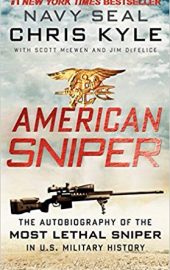
Real operational accounts illustrate the practical reality of SEAL culture. Legendary sniper Chris Kyle did not view himself as a superhero; he viewed himself as a professional executing a specific job to protect his teammates on the ground.
Understanding this reality is simple when looking at the definitive guide to a day in the life of a Navy SEAL operator, where the day-to-day work consists of meticulous gear checks, tactical planning, and rigorous post-mission debriefs.
Balancing Uncompromising Standards with Adaptability
SEAL teams maintain demanding baselines, but rigid perfectionism can quickly turn into tactical failure when unexpected chaos hits the battlefield. True operational effectiveness lies in adaptability and quick recovery when plans break down. Discovering how operators manage uncertainty begins with building courage and faith in training.
Cultural Shifts and Ethics in Modern Special Warfare
In recent years, Naval Special Warfare has placed renewed emphasis on character, ethics, and emotional intelligence. Programs like the Naval Special Warfare Leadership Assessment Program (NLAP) evaluate leaders on their cognitive humility, ethics, and communication skills, not just their physical marks. Comparing these elite training pipelines, including a close look at this training comparison with Army Rangers, shows how modern special operations units actively refine their selection processes to identify mature, grounded warfighters.
Frequently Asked Questions About SEAL Personality and Mindset
What personality traits actually predict success in BUD/S?
Mental adaptability, intrinsic drive, emotional regulation, and quiet dependability predict success far better than raw physical size or aggressive bravado. Candidates who consistently support their teammates and recover quickly from setbacks have the highest graduation rates.
How does the SEAL Ethos define ego and individual glory?
The SEAL Ethos explicitly rejects individual glory. It demands quiet professionalism, humility, and complete devotion to the mission and teammates, emphasizing that an operator's Trident represents the heritage of those who came before.
Do demanding special operations traits cause friction in civilian life?
Yes. The hyper-vigilance, emotional detachment, and direct communication styles developed for high-threat environments can create misunderstandings in civilian workplaces and family life. Successful transition requires learning when to turn down operational intensity.
Conclusion
The stereotype of the loud, demanding perfectionist does not represent the reality of Naval Special Warfare. The community thrives on quiet professionalism, emotional control, decentralized leadership, and a deep willingness to put the team ahead of oneself.
At USMilitary.com, we are committed to providing military members, veterans, and their families with trusted information on service life, transition assistance, and VA benefits. To explore special operations career paths and selection requirements, review our Navy SEAL complete guide and career resources.